Overview
Lithium is the smallest and lightest metal atom on the periodic table, highly reactive and part of the alkali metals group. It is a soft, silver-grey metal that reacts strongly with water, forming lithium hydroxide and hydrogen gas, and also reacts readily with oxygen, carbon dioxide, and nitrogen at room temperature. Although metallic lithium is highly reactive, its compounds are notably stable. Due to its reactivity, lithium is not found in its pure form in nature but is widely dispersed in minerals, clays, brines and seawater. It makes up about 20 parts per million of the Earth's crust and occurs in seawater at very low concentrations.
Lithium is primarily extracted from two main sources: hard-rock minerals, especially spodumene found in pegmatites, and lithium-rich brines located in arid salt flats. Lithium's applications span several key markets, including rechargeable batteries for electric vehicles and energy storage, ceramics and glass manufacturing, lubricating greases, polymers and specialty chemical industries. Demand growth is being driven primarily by the accelerating transition to electric mobility and the global push for renewable energy technologies [International Lithium Association,2025].
| Global production | Global producers | EU consumption | EU share | EU suppliers | Import reliance |
|---|---|---|---|---|---|
| 176,398t | Australia 42% Chile 25% China 19% Zimbabwe 5% Argentina 5% Brazil 3% | 98t | 0% | Portugal 100% | 0% |
| Global production | Global producers | EU consumption | EU share | EU suppliers | Import reliance |
|---|---|---|---|---|---|
| 154,881t | China 63% Chile 23% Argentina 5% United States 3% | 1,952t | 1% | Chile 60% China 7% United States 7% Argentina 5% Germany 5% Russia 5% Switzerland 5% United Kingdom 3% | 89% |
Lithium prices have shown significant volatility over recent decades, influenced by supply-demand imbalances, market adjustments and the rapid growth of the electric vehicle sector. While historical averages were much lower, recent years have seen dramatic price swings and future projections indicate continued variability but a trend toward higher long-term prices.
Lithium carbonate prices surged to record-highs in 2021-2022, driven by strong electric vehicle demand and supply chain disruptions. However, prices corrected sharply through 2023 and 2024 as new supply entered the market and electric vehicle battery demand growth proved softer than expected.
In the medium to long term, prices are anticipated to recover somewhat, albeit from a low base, as global demand continues to grow and market surpluses narrow. Significant market deficits, with potential upward pressure on pricesm are not anticipated until after 2031 [S&P Global,2025].
The global lithium supply chain is highly concentrated, with Australia dominating extraction, followed by Chile, China and Argentina. However, when it comes to processing, China is the clear leader, controlling more than half of global production. Such high geographical concentration exposes systemic vulnerabilities across the entire battery value chain.
Portugal is the only lithium mining country in the EU. The region imports processed lithium mainly from Chile (usually as lithium carbonate), Switzerand and Russia (as lithium hydoxide).
Secondary lithium supply, i.e. from recycling, currently plays a small but growing role in the global market. Most recycled lithium today comes from manufacturing scrap at gigafactories, while end-of-life batteries contribute only limited volumes due to long battery lifespans. Recovery rates are improving, but lithium remains more challenging and costly to extract than other battery metals like nickel or cobalt. As more EVs will reach end of life in the 2030s and recycling capacity will expands secondary supply is expected to cover a larger share of demand, supporting circular economy goals and reducing import dependency.
Globally, battery recycling could supply around 8% of global supply by 2030 from just 3% of supply in 2023, according to T&E citing Wood Mackenzie [Racu A.,2024].
While lithium was traditionally used in industries like glass, ceramics and lubricants, demand is now led by batteries, driven by the global shift to electric vehicles and energy storage systems.
In 2020, batteries accounted for 71% of the total lithium demand in the EU. Traditional applications such as glass and ceramics (14%) and greases and lubricants (4%) continued to play a role, though their relative importance has declined. Other industrial uses such as continuous casting, rubber and air treatment made up the remaining share.
| Use | Percentage | Substitute | Sub share | Cost | Performance |
|---|---|---|---|---|---|
| Batteries | 71% | No substitute | 95% | No substitute | |
| Batteries | 71% | NiCd/NiMH | 5% | Similar or lower costs | Reduced |
| Batteries | 71% | Sodium ion batteries | 0% | Similar or lower costs | Similar |
| Batteries | 71% | Dual Carbon batteries | 0% | Similar or lower costs | Similar |
| Batteries | 71% | Zinc ion batteries | 0% | Similar or lower costs | Similar |
| Glass and ceramics | 14% | No substitute | 44% | No substitute | |
| Glass and ceramics | 14% | Sodium | 25% | Similar or lower costs | Reduced |
| Glass and ceramics | 14% | Potassium | 25% | Similar or lower costs | Reduced |
| Glass and ceramics | 14% | Silicon | 5% | Similar or lower costs | Reduced |
| Glass and ceramics | 14% | Aluminium | 1% | Similar or lower costs | Reduced |
| Lubricating greases | 4% | No substitute | 71% | No substitute | |
| Lubricating greases | 4% | Calcium | 15% | Similar or lower costs | Similar |
| Lubricating greases | 4% | Polyurea | 7% | Slightly higher costs (up to 2 times) | Similar |
| Lubricating greases | 4% | Aluminium | 3% | Similar or lower costs | Similar |
| Rubber and plastics production | 2% | not assessed, below 10% | 100% | No substitute |
Substitution potential for lithium varies by application but remains generally limited.
In glass and ceramics, several alternatives such as potassium, sodium, silicon and aluminium are available, but all offer reduced performance. Notably, a large share of this application (44%) has no effective substitute.
In lubricating greases, most of the demand cannot be replaced, although calcium, polyurea and aluminium are viable options in some cases, offering similar performance at comparable or slightly higher costs. These limitations highlight the continued dependence on lithium in key industrial sectors.
Substitution potential for lithium in rechargeable batteries is very limited for now. Around 95% of battery applications have no viable substitute, while alternatives like NiCd, sodium-ion, zinc-ion, or dual carbon batteries exist but are used in only a small fraction of cases and offer reduced or at best comparable performance. However, in the long run, sodium-ion batteries are expected to gain more market share, particularly for lower-cost, stationary, or short-range applications.
In other uses like cement, Al-Li alloys, pharmaceuticals and plastics, substitution is also minimal or not economically viable. Al-Sc alloys can technically replace lithium in some aerospace alloys, but at very high cost.
Through the remainder of this decade, global lithium supply is expected to grow strongly, with major new projects coming online in Australia, Latin America and Africa. While demand for lithium, particularly from electric vehicles and energy storage, will continue to expand at double-digit rates, short-term supply additions will outpace demand growth through the late 2020s, resulting in a slightly oversupplied market. Prices are expected to remain volatile but generally lower than the 2022 peaks, with potential recovery momentum building only toward the end of the decade as market surpluses narrow. The lithium market is expected to remain in surplus until 2031, according to S&P, with slight deficits emerging from 2032 onward [S&P Global,2025].
Market analysis, trade and prices
| Global production | Global producers | EU consumption | EU share | EU suppliers | Import reliance |
|---|---|---|---|---|---|
| 176,398t | Australia 42% Chile 25% China 19% Zimbabwe 5% Argentina 5% Brazil 3% | 98t | 0% | Portugal 100% | 0% |
| Global production | Global producers | EU consumption | EU share | EU suppliers | Import reliance |
|---|---|---|---|---|---|
| 154,881t | China 63% Chile 23% Argentina 5% United States 3% | 1,952t | 1% | Chile 60% China 7% United States 7% Argentina 5% Germany 5% Russia 5% Switzerland 5% United Kingdom 3% | 89% |
The average global production between 2019 and 2023 was around 138 kilotonnes (kt) contained lithium, with Australia, Chile and China accounting for the vast majority of lithium extraction. In contrast, the EU consumed just 170 tonnes on average over the same period and had almost no domestic production, making it dependent on imports.
For processed lithium, global production averaged around 123 kt during 2019-2023, while the EU consumed approximately 1.7 kilotonnes annually. Once again, the EU had no domestic production and relied 100% on imports - primarily from Chile, followed by Russia, Switzerland, Argentina, China and the US.
Processed lithium is typically refined into two main purity grades: battery-grade and technical-grade. Battery-grade lithium, either in the form of lithium carbonate or lithium hydroxide, has a purity level of over 99.5 percent and is essential for lithium-ion battery manufacturing due to strict performance and safety requirements. In contrast, technical-grade lithium has a lower purity, generally ranging from 98 to 99 percent, and is used in various industrial applications such as ceramics, glass, lubricants, and chemical processing, where ultra-high purity is not necessary.
| Mining | Processing/refining | ||
|---|---|---|---|
| CN Code | Title | CN Code | Title |
| Unknown | 28252000 | Lithium oxide and hydroxide | |
| 28369100 | Lithium carbonates | ||
Processed forms like lithium oxide/hydroxide and lithium carbonate are classified for trade monitoring under CN code 28252000 and 28369100 respectively.
Mined lithium, such as spodumene, petalite and lepidolite, is classified under CN code 25309040 for EU trade tracking.
The EU is a net importer of lithium oxide and hydroxide. Import volumes have been fluctuating for the past two decates, with a deep plunge in 2009. After 2015, volumes began rising steadily, driven by the scaling-up of electric vehicle production and battery gigafactories in Europe. Imports peaked in 2022 at just under 1,000 tonnes before dipping in the following years, amid uncertainties in the battery value chain. Export volumes remained low throughout, with significant fluctuations after 2021 (Figure 5).
From 2000 to 2008, Russia and Switzerland dominated EU imports of lithium oxide and hydroxide. Russia’s sharp decline in 2022 was offset by China whose market share rose significantly from 2022 onward. Chile and the US also remain key suppliers to the EU although with smaller shares compared to China (Figure 6).
The EU is also a net importer of lithium carbonate, with import volumes fluctuating over time, rising notably after 2010 and peaking in 2021 before declining sharply in 2023. Export volumes, while low in the early years, show an upward trend from 2016 onwards to 2020, before dropping sharply (Figure 7).
Chile remains by far the EU’s dominant supplier of lithium carbonate, followed by Chile, the US and China (Figure 8).
Lithium prices have shown significant volatility over recent decades, influenced by supply-demand imbalances, market adjustments and the rapid growth of the electric vehicle sector, particularly linked to subsidies for electric mobility in China. While historical averages were much lower, recent years have seen dramatic price swings and future projections indicate continued variability but a trend toward higher long-term prices.
Lithium carbonate prices surged to record-highs in 2021-2022, driven by strong electric vehicle demand and supply chain disruptions. However, prices corrected sharply through 2023 and 2024 as new supply entered the market and electric vehicle battery demand growth proved softer than expected.
In the medium to long term, prices are anticipated to recover somewhat, albeit from a low base, as global demand continues to grow and market surpluses narrow. Significant market deficits, with potential upward pressure on pricesm are not anticipated until after 2031 [S&P Global,2025].
Through the remainder of this decade, global lithium supply is expected to grow strongly, with major new projects coming online in Australia, Latin America and Africa. While demand for lithium, particularly from electric vehicles [IEA,2024] and energy storage, will continue to expand at double-digit rates, short-term supply additions will outpace demand growth through the late 2020s, resulting in a slightly oversupplied market. Prices are expected to remain volatile but generally lower than the 2022 peaks, with potential recovery momentum building only toward the end of the decade as market surpluses narrow. The lithium market is expected to remain in surplus until 2031, according to S&P, with slight deficits emerging from 2032 onward [S&P Global,2025].
Demand
Global lithium consumption is set to rise sharply over the next few years, mainly due to the boom in electric vehicles (EVs) and energy storage systems. In response to this growth, investment in lithium mining is increasing, with new mines planned in Australia, South America and the US to double global production from 873,000 tonnes LCE in 2023 to 2.5 million tonnes in 2030.
Although currently identified lithium resources appear to be sufficient to meet this growing demand, temporary shortages could occur by 2030. These potential imbalances are due to the long lead times required to bring new mines on stream and the fall in the price of lithium. The latter follows the actions of certain Chinese companies that have flooded the market with raw materials, which could have the effect of discouraging investment and the commissioning of new mining operations or refineries [BRGM,2024].
From 2017 to 2024, lithium demand for European electric vehicles increased sharply, from around 7 kt to 135 kt of combined LCE, driven by accelerating electrification in the EU-27, the UK and Norway. Growth was fastest in the EU-27, accounting for 100 kt of LCE in 2024, and the UK, while Norway's more gradual increase reflects the already high maturity of its electric vehicle market (89% of new car sales in 2024 were electric) [S&P Global,2025].
In Europe, Portugal is currently the only country producing lithium. However, European production declined during the 2020s due to various factors, including falling global prices.There is no import/export of Li concentrates to and from the EU.
EU demand for processed lithium has been fluctuating for the past decade but saw a notable uptick in 2024, driven largely by accelerated growth in the lithium-ion battery sector.
Supply remained limited, with no domestic lithium refining since 2019 until 2024, when Europe launched its first battery-grade lithium hydroxide plant.
Historically, due to the lack of domestic refining capabilities, the EU has been a net importer of processed lithium compounds such as primarily lithium carbonate and lithium hydroxide
As a result, its supply is highly vulnerable to external market developments and geopolitical changes.
While lithium was traditionally used in industries like glass, ceramics and lubricants, demand is now led by batteries, driven by the global shift to electric vehicles and energy storage systems.
In 2020, batteries accounted for 71% of the total lithium demand in the EU. Traditional applications such as glass and ceramics (14%) and greases and lubricants (4%) continued to play a role, though their relative importance has declined. Other industrial uses such as continuous casting, rubber and air treatment made up the remaining share.
Lithium supports several high-value EU manufacturing sectors, led by chemicals and chemical products (C20) with EUR 166 billion in value added. Electrical equipment (C27), tied to battery production, contributes EUR 100 billion, while rubber and plastics (C22) and non-metallic minerals (C23) add EUR 107 billion and EUR 86 billion. Most sectors show steady growth, which reinforces lithium’s importance in both established and emerging applications.
| Applications | 2-digit NACE sector | Value added of NACE 2 sector | 4-digit CPA |
|---|---|---|---|
| Batteries | C27 - Manufacture of electrical equipment | 125,000M€ | C27 - Manufacture of electrical equipment |
| Glass and ceramics | C23 - Manufacture of other non-metallic mineral products | 90,000M€ | C23 - Manufacture of other non-metallic mineral products |
| Others | C27 - Manufacture of electrical equipment | 125,000M€ | C27 - Manufacture of electrical equipment |
| Lubricating greases | C20 - Manufacture of chemicals and chemical products | 146,000M€ | C20 - Manufacture of chemicals and chemical products |
| Rubber and plastics production | C22 - Manufacture of rubber and plastic products | 115,000M€ | C22 - Manufacture of rubber and plastic products |
Lithium is a highly versatile element that plays a critical role across a wide range of industrial and technological applications beyond its well-known use in batteries. From enhancing the strength and durability of glass, ceramics and cement, to serving essential functions in lubricating greases, aerospace alloys, pharmaceuticals and polymer production, lithium is indispensable in both advanced and everyday materials.
Lithium-ion batteries, known for their high energy density and rechargeability, are prevalent in electric vehicles and portable electronic devices. Batteries represent the largest and fastest growing application for lithium, driven by the global push towards transport electrification, adoption of energy storage systems and portable electronics [International Lithium Association,2025], [Vega Garcia et al.,2023].
There are six lithium-ion battery chemistries, each optimised for specific applications: NMC (Nickel-Manganese-Cobalt), NCA (Nickel-Cobalt-Aluminium), LFP (Lithium-Fer-Phosphate), LMO (Lithium-Manganese-Oxide), LCO (Lithium-Cobalt-Oxide) and LTO (Lithium-Titanate-Oxide). Lithium-metal-polymer batteries consist of a lithium metal anode, a polyoxyethylene-based solid electrolyte containing lithium salts and a cathode made of vanadium oxide or iron phosphate, combined with carbon and a polymer [BRGM,2024].
Lithium is widely used as a flux in processing silica, reducing melting points and improving the physical properties of glass and ceramics, such as thermal shock resistance [International Lithium Association,2025], [Vega Garcia et al.,2023].
Lithium compounds are added to cement to improve setting times and enhance durability [International Lithium Association,2025].
Lithium carbonate is utilized in the treatment of bipolar disorder, acting as a mood stabilizer [International Lithium Association,2025], [Vega Garcia et al.,2023].
In the aerospace industry, aluminum-lithium alloys are valued for their high strength-to-weight ratio, contributing to fuel efficiency in aircraft [International Lithium Association,2025], [Vega Garcia et al.,2023].
Lithium is used as a thickener in grease ensuring lubrication properties are maintained over a broad range of temperatures [International Lithium Association,2025], [Vega Garcia et al.,2023].
In the steel industry, lithium compounds are incorporated into continuous casting mold flux powders to lower the melting point, improve slag fluidity, and enhance heat transfer efficiency during solidification [International Lithium Association,2025].
Lithium compounds serve as catalysts and stabilizers in the manufacture of synthetic rubber and plastics, enhancing product performance [International Lithium Association,2025], [Vega Garcia et al.,2023].
Lithium compounds can serve three functions in air treatment: cooling (lithium bromide), dehumidification (lithium chloride), and purification (lithium hydroxide) in enclosed environments such as space capsules and submarines. [International Lithium Association,2025].
| Use | Percentage | Substitute | Sub share | Cost | Performance |
|---|---|---|---|---|---|
| Batteries | 71% | No substitute | 95% | No substitute | |
| Batteries | 71% | NiCd/NiMH | 5% | Similar or lower costs | Reduced |
| Batteries | 71% | Sodium ion batteries | 0% | Similar or lower costs | Similar |
| Batteries | 71% | Dual Carbon batteries | 0% | Similar or lower costs | Similar |
| Batteries | 71% | Zinc ion batteries | 0% | Similar or lower costs | Similar |
| Glass and ceramics | 14% | No substitute | 44% | No substitute | |
| Glass and ceramics | 14% | Sodium | 25% | Similar or lower costs | Reduced |
| Glass and ceramics | 14% | Potassium | 25% | Similar or lower costs | Reduced |
| Glass and ceramics | 14% | Silicon | 5% | Similar or lower costs | Reduced |
| Glass and ceramics | 14% | Aluminium | 1% | Similar or lower costs | Reduced |
| Lubricating greases | 4% | No substitute | 71% | No substitute | |
| Lubricating greases | 4% | Calcium | 15% | Similar or lower costs | Similar |
| Lubricating greases | 4% | Polyurea | 7% | Slightly higher costs (up to 2 times) | Similar |
| Lubricating greases | 4% | Aluminium | 3% | Similar or lower costs | Similar |
| Rubber and plastics production | 2% | not assessed, below 10% | 100% | No substitute |
Substitution potential for lithium varies by application but remains generally limited.
Substitution potential for lithium in rechargeable batteries is very limited for now. Around 95% of battery applications have no viable substitute, while alternatives like NiCd, sodium-ion, zinc-ion, or dual carbon batteries exist but are used in only a small fraction of cases and offer reduced or at best comparable performance. However, in the long run, sodium-ion batteries are expected to gain more market share, particularly for lower-cost, stationary, or short-range applications.
In glass and ceramics, several alternatives such as potassium, sodium, silicon and aluminium are available, but all offer reduced performance. Notably, a large share of this application (44%) has no effective substitute.
In lubricating greases, most of the demand cannot be replaced, although calcium, polyurea and aluminium are viable options in some cases, offering similar performance at comparable or slightly higher costs. These limitations highlight the continued dependence on lithium in key industrial sectors.
Lithium used in rubber and plastics production has not been thoroughly assessed for substitution, but the share is minimal and no viable alternatives h been identified.
Supply
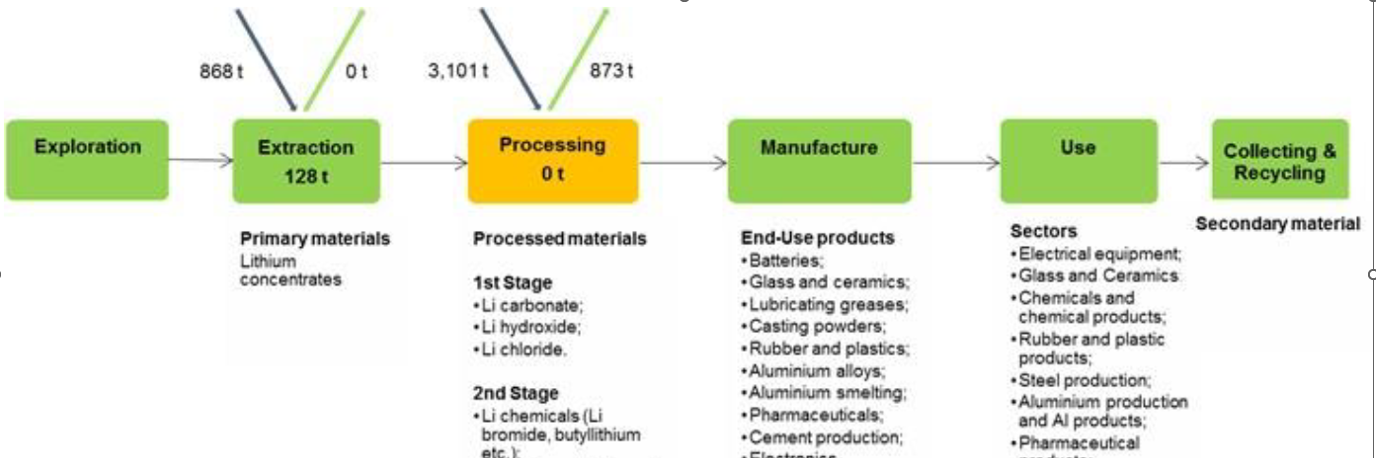
The lithium supply chain covers extraction, processing into battery-grade chemicals, followed by production of cathodes, which are used in battery cells. The most strategic bottlenecks lie in processing and cathode production, both heavily concentrated in China, making the supply chain highly vulnerable to geopolitical and trade disruptions.
According to S&P Global data, Portugal remains the EU’s only active lithium producer, with approximately 680 tonnes of lithium content extracted in 2024, primarily from hard rock deposits intended for industrial uses rather than battery-grade processing. Nonetheless, multiple mines are expected to come online in the next years, including in Finland, Austria, Germany, Czech Republic and Portugal, driven by the growing demand from batteries.
In the processing stage, the EU currently has no significant domestic lithium chemical production capacity, but several stand-alone and vertically integrated projects are advancing, with first outputs expected in 2025 to support the regional battery supply chain. Future chemical lithium supply in the EU is expected to come from Germany, Finland, France, Czech Republic, Portugal and Spain, driven by projects focused on refining spodumene concentrates and direct lithium extraction technologies [S&P Global,2025].
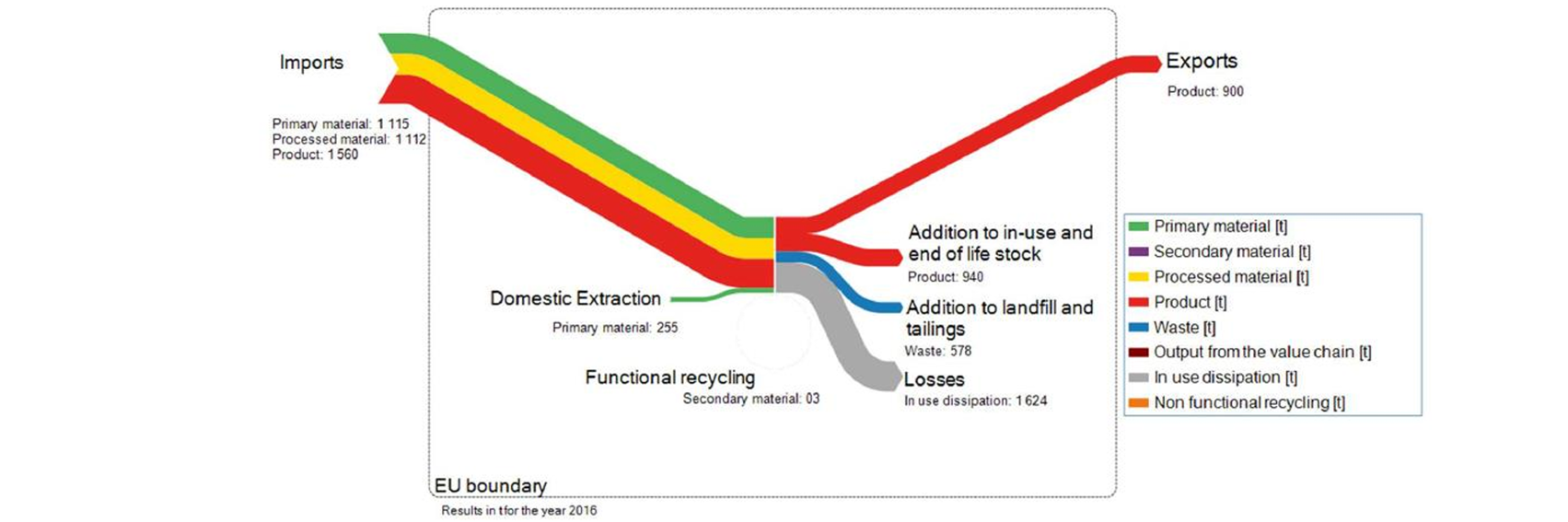
Brine deposits involve lithium-rich brines found in underground reservoirs, primarily in arid regions like the Lithium Triangle (Chile, Argentina, Bolivia). Extraction typically uses evaporation ponds to concentrate lithium before chemical processing. Brine operations generally offer lower production costs and carbon footprints, but require higher water usage and have longer development timelines.
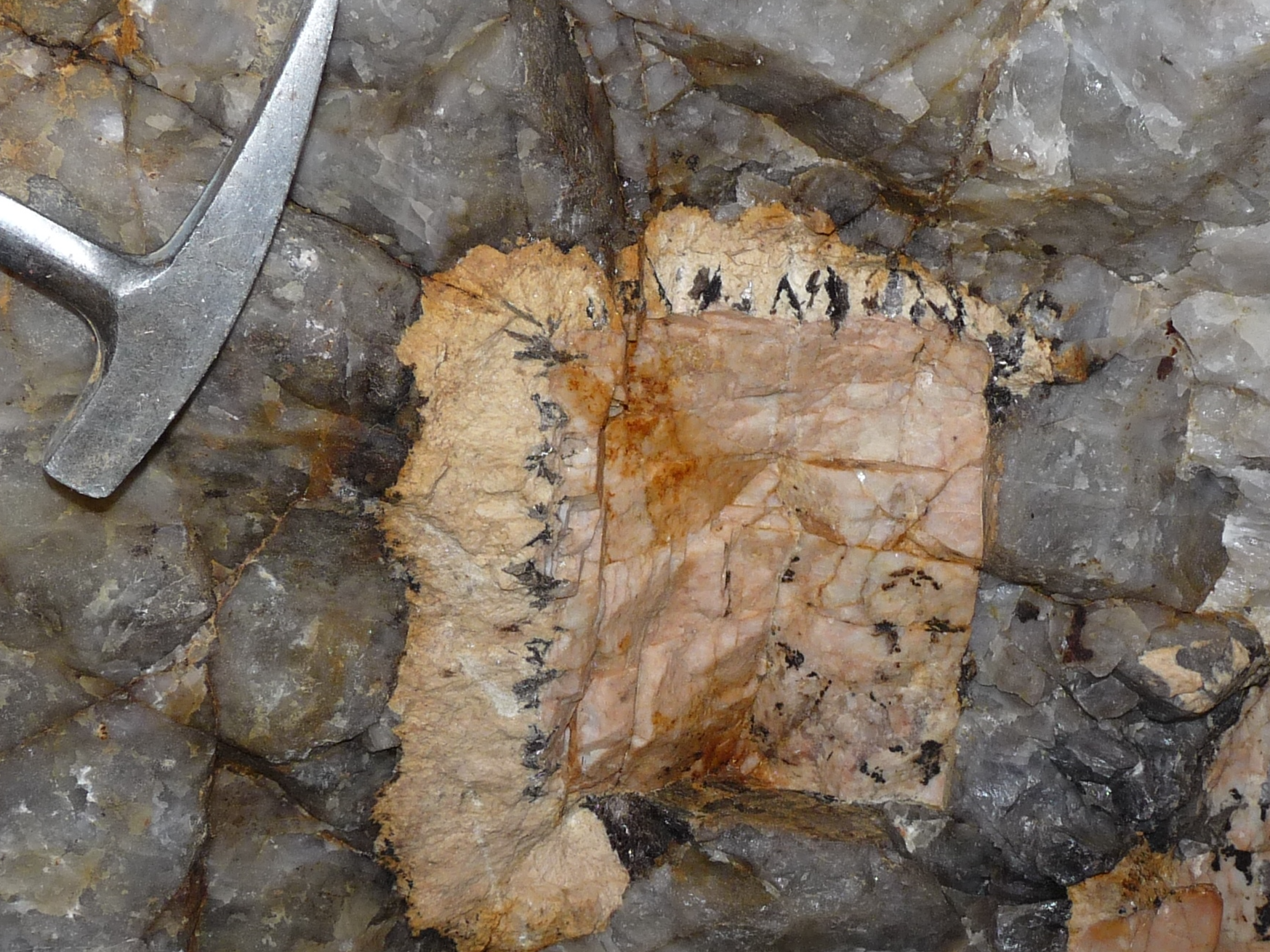
Hard rock deposits mainly consist of spodumene, a lithium-bearing mineral mined from pegmatite rocks. Major sources include Australia, Portugal and Canada. Hard rock mining is more flexible and faster to ramp up but usually comes with higher operating costs and a greater carbon intensity, particularly when processed in energy-intensive facilities.
Clay-hosted deposits contain lithium within sedimentary clays, notably in the US. Extraction methods for clays are still under development, and although these deposits are large and potentially cost-effective, commercial-scale production has not yet been proven.
Lithium occurs naturally in three main types of deposits: brine reservoirs, hard rock (pegmatite) deposits and sedimentary clays.
Brine reservoirs are found in aquifers in arid regions, such as the Lithium Triangle in South America, where lithium concentrates through evaporation processes.
Pegmatite deposits host lithium-bearing minerals like spodumene, lepidolite and zinnwaldite, and are mined in countries like Australia, Portugal and Canada.
Sedimentary clay deposits, such as those in Nevada in the US develop from weathering and redeposition of volcanic or granitic rocks in ancient lakebeds.
| Country | Resources (tonnes) |
|---|---|
|
United States |
19,000,000 |
|
Argentina |
23,000,000 |
|
Bolivia |
23,000,000 |
|
Chile |
11,000,000 |
|
Australia |
8,900,000 |
|
China |
6,800,000 |
|
Canada |
5,700,000 |
|
Germany |
4,000,000 |
|
Congo (Kinshasa) |
3,000,000 |
|
Mexico |
1,700,000 |
|
Brazil |
1,300,000 |
|
Czechia |
1,300,000 |
|
Mali |
1,200,000 |
|
Serbia |
1,200,000 |
|
Peru |
1,000,000 |
|
Russia |
1,000,000 |
| Other |
2,040,000 |
| Total |
115,140,000 |
Global measured and indicated lithium resources reached approximately 115 million tonnes, according to the latest USGS data. Bolivia (23 million tonnes), Argentina (23 million tonnes) and Chile (11 million tonnes) hold the largest shares, reflecting the dominance of South America’s Lithium Triangle. Australia, China, Germany and Canada also contribute substantial volumes, while emerging resource bases are noted in countries such as Serbia, Portugal and Zimbabwe [USGS,2025].
| Country | Reserves (tonnes) |
|---|---|
|
United States |
1,800,000 |
|
Argentina |
4,000,000 |
|
Australia |
57,000,000 |
|
Brazil |
390,000 |
|
Canada |
1,200,000 |
|
Chile |
9,300,000 |
|
China |
3,000,000 |
|
Namibia |
14,000 |
|
Portugal |
60,000 |
|
Zimbabwe |
480,000 |
|
Other countries |
2,800,000 |
|
Total |
30,000,000 |
The US Geological Survey estimates global lithium reserves at approximately 30 million tonnes of contained lithium. South America dominates global reserves, with Chile holding the largest reserves at 9.3 million tonnes followed by Argentina with 4 million. Australia, while leading in production, ranks second in reserves with 7 million tonnes and China follows with 3 million [USGS,2025].
| Country | Remaining resources - Lithium contained (tons of Li2O) | Category |
|---|---|---|
|
Serbia |
2,697,003 | 2 - mineral resources |
| Spain | 1,580,640 |
2 - mineral resources |
| Spain | 234,360 |
1 - mineral resources |
| France | 1,121,680 | 4 - historical or non- complaint |
| Germany | 1,078,443 |
2 - mineral resources |
| Germany | 198,323 |
4 - historical or non- complaint |
| UK | 993,693 |
2 - mineral resources |
| Portugal | 593,400 |
2 - mineral resources |
| Greenland | 505,885 |
2 - mineral resources |
| Austria | 128,500 |
2 - mineral resources |
| Finland | 94,877 |
2 - mineral resources |
According to GSEU, as of 2024, the EU holds significant lithium resources primarily concentrated in Serbia (Jadar project), Germany (Zinnwald and Sadisdorf), France (Beauvoir), Czech Republic (Cinovec), Portugal (Barroso and Sepeda), Spain (San Jose, Las Navas), Austria (Weinebene) and Finland (Rapasaarret), among others. Total identified lithium resources across key EU projects amount to several million tonnes of Li2O, with Serbia's Jadar deposit and Germany’s Zinnwald standing out as major contributors [GSEU,2024].
| Name | Country | Deposit status | Resources (tonnes) | Reserves (tonnes) |
|---|---|---|---|---|
|
Jadar |
Serbia |
Under development |
2,697,003 |
|
|
Zinnwald |
Germany |
Feasibility |
1,078,443 |
|
|
Beauvoir (Echassières) |
France |
Under development |
1,053,000 |
|
|
San Jose |
Spain |
Under development |
678,930 |
234,360 |
|
Las Navas |
Spain |
Under development |
811,370 |
|
|
Kvanefjeld/Kuannersuit |
Greenland |
Not exploited |
505,885 |
|
|
Sepeda (Romano) |
Portugal |
Under development |
300,000 |
|
|
Barroso |
Portugal |
Under development |
293,400 |
|
|
Weinebene |
Austria |
Not exploited |
128,500 |
|
|
Sadisdorf |
Germany |
Closed |
127,284 |
|
|
Rapasaaret |
Finland |
Not exploited |
94,877 |
|
|
Altenberg |
Germany |
Closed |
71,039 |
|
|
Tréguennec-Prat-ar-Hastel |
France |
Not exploited |
68,680 |
This chart provides an overview of major European lithium deposits, highlighting their development status, resource classification, and geographic distribution. It compares the scale and maturity of projects to assess their potential contribution to future European lithium supply. According to GSEU, economically extractable lithium reserves are limited, with only the San José project in Spain reporting defined reserves of 234,360 tonnes Li?O [GSEU,2024].
Australia, Chile and China currently dominate lithium extraction from minerals and brines, collectively having accounted for more than 80% of global supply in 2023. Australia primarily produces spodumene concentrate, which is shipped to China for chemical processing; Chile focuses on lithium extraction from brine, while China sources lithium from both brines and minerals like spodumene and lower-grade mica.
Secondary lithium supply, i.e. from recycling, currently plays a small but growing role in the global market. Most recycled lithium today comes from manufacturing scrap at gigafactories, while end-of-life batteries contribute only limited volumes due to long battery lifespans. Recovery rates are improving, but lithium remains more challenging and costly to extract than other battery metals like nickel or cobalt. As more EVs will reach end of life in the 2030s and recycling capacity will expands secondary supply is expected to cover a larger share of demand, supporting circular economy goals and reducing import dependency.
Globally, battery recycling could supply around 8% of global supply by 2030 from just 3% of supply in 2023, according to T&E citing Wood Mackenzie [Racu A.,2024].
| Recycling indicator | Percentage |
|---|---|
| End-of-life Recycling Rate (EoL-RR) | 1% |
| End-of-life Collection Rate (EoL-CR) | 53% |
Europe's lithium EoL-RIR is 1% (RMIS), constrained by complex collection bottlenecks, low historic volumes of spent lithium-ion batteries (LIBs), and structural gaps in hydrometallurgical recovery chains. Key flows are driven by four main sectors: End-of-Life Vehicles (ELVs), particularly EVs, which represent the largest future reservoir of secondary lithium; Waste Electrical and Electronic Equipment (WEEE), including portable electronics and batteries; black mass intermediaries, generated from shredded batteries and containing lithium, cobalt, nickel and manganese; and battery manufacturing scrap, which provides an immediate internal recycling loop. While manufacturing scrap can contribute significantly to material recovery, EoL recycling-input-rate calculations generally focus on “old scrap” from post-consumer waste, excluding internal production waste.
Industrial/new scrap mainly comes from:
- Cathode active material (CAM) production: off-spec or rejected NMC/LFP cathode powder, coating losses and process residues.
- Electrode manufacturing: rejected coated electrodes, trimming/cutting losses and coating slurry residues.
- Cell manufacturing: defective cells, rejected cells and formation/testing failures.
- Battery/module/pack assembly: damaged or rejected batteries before they enter the market.
- Gigafactory production scrap: unused or off-spec precursor/CAM, electrode material and cell components.
These streams are particularly valuable because they are relatively homogeneous and have known composition, making them easier to collect and recycle than mixed EoL batteries.
Lithium processing converts raw materials from hard rock or brine sources into battery-grade lithium carbonate or hydroxide. Hard rock processing involves crushing, roasting and leaching spodumene concentrates, while brine processing relies on evaporation and chemical treatment. Direct Lithium Extraction (DLE) technologies are emerging to speed up brine processing with lower water use. The choice between carbonate and hydroxide depends on battery chemistry needs, with hydroxide increasingly critical for high-nickel cathodes (NMC or NCA), whereas carbonate remains important for iron-based chemistries like LFP.
Other considerations
Lithium presents specific health and safety risks that require careful management. Metallic lithium is highly reactive, especially with water, posing fire and explosion hazards, while lithium compounds can cause skin, eye and respiratory irritation if not properly handled [ECHA, European Chemicals Agency,2025].
Lithium production poses significant environmental challenges, particularly concerning greenhouse gas emissions and water usage. Traditional extraction methods, such as hard rock mining in China, are notably carbon-intensive, while brine extraction in arid regions like Chile's Salar de Atacama consumes substantial amounts of water, exacerbating local water scarcity.
To improve sustainability, the industry must prioritize closed-loop water systems, invest in renewable energy for operations and accelerate the development of low-impact technologies like direct lithium extraction (DLE), which can minimize land use and environmental disruption while enhancing recovery efficiency [Racu A.,2024].
Lithium is an increasingly important economic asset for major exporting countries like Australia, Chile and Argentina, while China plays a central role in the value chain as the leading exporter of processed lithium chemicals. These exports generate substantial export revenues, attract foreign investment and position these countries strategically within the global clean energy transition.
| Country | Export value (USD) | Share in total exports |
|---|---|---|
Lithium mining raises major social and ethical concerns, including risks to human rights, environmental standards and community participation. The Germanwatch report highlights that the failure to properly implement Free, Prior and Informed Consent (FPIC) remains a critical issue, particularly for indigenous communities. It stresses that without strong due diligence, transparency and respect for international standards like the UN Guiding Principles and UNDRIP, lithium extraction can lead to serious social and environmental harm. Ensuring full respect for FPIC, along with meaningful stakeholder engagement, transparency and accountability, is seen as essential to align lithium extraction with a just and sustainable energy transition [The Federal Ministry of Labour and Social Affairs of Germany,2023].
Research and development in low-carbon and green technologies is accelerating around lithium, driven by the need for cleaner, more sustainable energy storage solutions. Key focus areas include improving lithium-ion battery performance, developing next-generation chemistries such as solid-state, improving recycling efficiency and reducing the environmental footprint of lithium extraction (e.g. via DLE, water recycling technologies).