Overview
Cadmium is a rare, highly toxic element that does not form economically viable ore deposits and is therefore produced almost exclusively as a by-product of zinc refining. Its supply is indirectly controlled by zinc production, although it is effectively demand-driven due to the availability of excess cadmium sponge that can be refined as needed. Global production has remained stable at around 23,000–25,000 t per year, with supply concentrated in a few countries, led by China. The EU contributes about 8% of global output but has declining production due to reduced smelting activity, while also relying on imports and secondary sources.
Secondary supply plays a significant role, contributing around 23% of total cadmium supply. Recycling– primarily from Ni–Cd batteries– is relatively efficient, with recovery rates exceeding 75%, but overall volumes are limited and expected to decline as these batteries are phased out in many applications.
Cadmium is predominantly used in Ni–Cd batteries, especially in critical industrial sectors such as aviation, transport, and emergency systems, where reliability and durability are essential. Other uses include alloys, coatings, pigments, and CdTe solar cells, though these applications have declined or remain niche due to regulatory restrictions.
Substitution efforts have been successful in many consumer and industrial applications, with alternatives such as Li-ion batteries, cadmium-free alloys, and organic pigments widely adopted. However, cadmium remains difficult to replace in specialised, high-performance applications.
Due to its toxicity, cadmium poses significant environmental and health risks, including kidney damage, bone disorders, and cancer. Strict regulatory frameworks– particularly in the EU– limit its use in products, emissions, and exposure, balancing its continued industrial relevance with strong environmental and health protection measures.
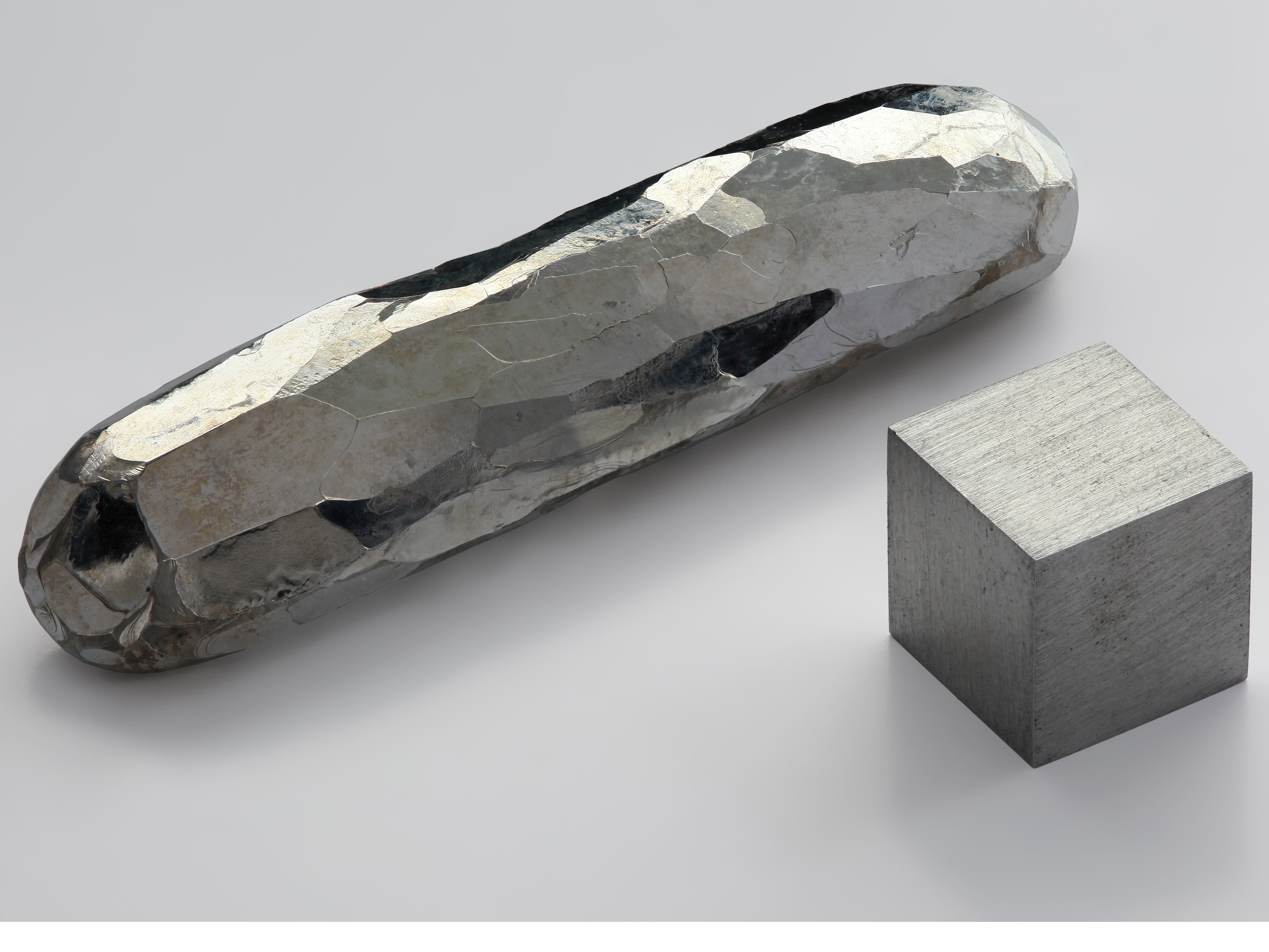
| Global production | Global producers | EU consumption | EU share | EU suppliers | Import reliance |
|---|---|---|---|---|---|
| 24,210t | China 39% Korea, South 17% Japan 7% Canada 7% Kazakhstan 5% Mexico 4% Russia 4% Netherlands 3% Peru 2% Australia 2% | 1,859t | 8% | Canada 23% China 22% Netherlands 20% Bulgaria 9% Norway 8% Germany 8% Poland 4% Mexico 3% | 20% |
Although the cadmium market is relatively flat, cadmium prices have shown significant volatility over the past 25 years. The peak was reached in 2007 at approximately €5,560/t (in 2024, the price of cadmium was €965/t), driven mainly by strong demand for Ni–Cd batteries in Asia and the early expansion of photovoltaic technologies. The global financial crisis in 2008 led to a sharp decline, with prices dropping to around €2,000/t in 2009. This downward trend continued until 2016.
Since 2016, prices have gradually recovered, rising from about €1,175/t to €3,790/t in 2024. This increase reflects renewed demand from key end-use sectors, including Ni–Cd batteries (particularly in Asia), photovoltaic applications, and cadmium-based pigments and stabilisers.
However, a sustained price increase is considered unlikely. The market is strongly influenced by zinc production and is characterised by an oversupply of cadmium sponge from zinc concentrate processing available for refining, and additional smelting capacity can be installed in less than a year. The main constraint affecting supply flows may be regulatory restrictions on the transboundary movement of cadmium sponge.
Cadmium is a rare and toxic element with an average crustal abundance of approximately 0.09–0.2 ppm. It occurs in over 20 minerals, most commonly greenockite (CdS) and otavite (CdCO?), typically as secondary phases in sulphide deposits. However, cadmium does not form economically viable ore bodies and is not mined as a primary commodity.
Instead, it is almost entirely recovered as a by-product of zinc processing, as cadmium substitutes for zinc in minerals such as sphalerite. Zinc concentrates generally contain 0.1–0.5% Cd. Consequently, there are no direct cadmium resource estimates; supply potential is linked to global zinc resources, estimated at about 1.9 billion tonnes. In Europe, numerous zinc deposits and occurrences are known, suggesting a broad but indirect cadmium resource base.
Globally, cadmium supply is demand driven, as there is an excess of cadmium sponge available for processing. Refined cadmium production has remained stable over recent decades, typically ranging between 23,000 and 25,000 t annually. For the period 2019–2024, production averaged approximately 24,000 t, with reported values of 22,800–23,000 t for 2024–2025. Supply is highly concentrated, with nine countries accounting for 88% of global production. China dominates with a 39% share, followed by South Korea (17%). Other significant cadmium producers are Japan, Canada, Kazakhstan, Mexico, Russia, the Netherlands, and Peru. Over the long term, production trends have been relatively flat, reflecting stability in the zinc market, with only minor fluctuations.
In the European Union, cadmium production accounts for about 8% of global output. Average production between 2020 and 2024 was approximately 1,500 t, but this fell to 1,035 t in 2024 due to reduced zinc smelting activity and temporary plant closures. Cadmium is produced in smelters in the Netherlands, Bulgaria, Germany, and Poland, although Poland ceased production after 2021 and Germany has recently reduced output significantly. Only one-third of the cadmium available in processed zinc concentrates is recovered in the EU, while the remainder is disposed of in cadmium-bearing residues (cadmium sponge).
Nevertheless, the EU covers roughly 71% of its demand for cadmium compounds through domestic primary production. The remaining demand is met by secondary cadmium production and imports from countries such as China, Canada, and Norway.
Secondary supply plays a significant role in the cadmium lifecycle, serving both as an additional raw material source and as a means of preventing cadmium release into the environment due to its toxicity. Globally, cadmium has a relatively high recycling rate of about 30%, which has remained stable in recent years. Recycled materials account for approximately 23% of total cadmium supply.
The main source of secondary cadmium is end-of-life Ni–Cd batteries, for which collection and recycling systems are well established, particularly in Europe and other OECD countries. These batteries can be recycled at rates exceeding 75 wt%, with recovery efficiencies surpassing 99% for materials reused in new battery production. Industrial Ni–Cd batteries typically contain 7–13% cadmium, while portable batteries contain around 15%. In the EU, approximately 6,000–7,000 tonnes of Ni–Cd batteries are collected annually, yielding around 780 tonnes of cadmium. However, this remains insufficient to meet demand, necessitating continued reliance on primary supply.
Recycling of CdTe photovoltaic modules is technologically advanced, with more than 90% of cadmium recoverable. However, current recycling volumes remain low due to the relatively recent deployment of these systems and their long lifespans, limiting their present contribution.
Secondary cadmium also arises from industrial scrap, including battery manufacturing residues and metallurgical dusts. This stream is particularly efficient, as materials are concentrated and easily recoverable, contributing significantly to overall recycling rates.
Despite high recycling efficiencies, the overall contribution of secondary cadmium remains constrained by the declining use of Ni–Cd batteries– especially portable ones, which are being phased out in the EU by 2025. As a result, secondary supply is expected to decrease in the long term, increasing dependence on primary cadmium sources.
Cadmium is primarily used in nickel–cadmium (Ni–Cd) batteries, which are the dominant application, accounting for over 90% of cadmium use in the EU and 51% globally. These batteries are valued for their reliability, long cycle life, resistance to deep discharge, and excellent performance under extreme conditions. Consequently, they are widely used in aviation, rail systems, industrial equipment, and critical backup power systems (such as hospitals, nuclear facilities, and offshore platforms), where safety and durability are essential. Industrial Ni–Cd batteries typically contain about 10% cadmium and can operate for 20–40 years. However, their use in consumer applications has been largely phased out in the EU.
Beyond batteries, cadmium is used in alloys, coatings, pigments, and photovoltaic technologies. In alloys, cadmium improves mechanical strength, corrosion resistance, and electrical conductivity. Copper–cadmium alloys are used in electrical conductors, while lead–cadmium alloys and cadmium-containing solders are used in specialised industrial sectors, including aerospace and defence. However, alloy use is declining in the EU due to substitution and regulatory pressure.
Cadmium coatings are important in high-performance applications, particularly in the aerospace, marine, and defence industries, due to their corrosion resistance, lubricity, and solderability. Similarly, cadmium pigments are valued for their durability, thermal stability, and vibrant colours, although their use has significantly decreased due to toxicity concerns and regulatory restrictions.
In the energy sector, cadmium is used in cadmium telluride (CdTe) thin-film solar cells, a leading thin-film photovoltaic technology. Despite its technological advantages, this application accounts for only a small share of total cadmium use.
Environmental and health concerns strongly influence cadmium applications. Regulations in the EU have restricted its use in many sectors, driving substitution and limiting growth, while demand remains concentrated in industrial and safety-critical applications where alternatives are less viable.
| Use | Percentage | Substitute | Sub share | Cost | Performance |
|---|---|---|---|---|---|
| Batteries | 96% | Lithium-ion battery | 60% | Very high costs (more than 2 times) | Similar |
| Batteries | 96% | No substitute | 29% | No substitute | |
| Batteries | 96% | NiMH | 10% | Slightly higher costs (up to 2 times) | Similar |
| Batteries | 96% | Fuel cell | 1% | Very high costs (more than 2 times) | Similar |
| Coatings | 3% | not assessed, below 10% | 100% | No substitute | |
| Alloys | 1% | not assessed, below 10% | 100% | No substitute | |
| Solar Application | 0% | Silicon based | 92% | Similar or lower costs | Similar |
| Solar Application | 0% | InP | 1% | Slightly higher costs (up to 2 times) | Similar |
| Solar Application | 0% | Germanium | 1% | Slightly higher costs (up to 2 times) | Similar |
| Solar Application | 0% | GaSb | 1% | Slightly higher costs (up to 2 times) | Similar |
| Solar Application | 0% | GaAs | 1% | Slightly higher costs (up to 2 times) | Similar |
| Solar Application | 0% | No substitute | 1% | No substitute | |
| Solar Application | 0% | InSb | 1% | Slightly higher costs (up to 2 times) | Similar |
| Solar Application | 0% | InAs | 1% | Slightly higher costs (up to 2 times) | Similar |
| Solar Application | 0% | GaP | 1% | Slightly higher costs (up to 2 times) | Similar |
Efforts to substitute cadmium have intensified due to its toxicity, with varying success across applications. In nickel–cadmium (Ni–Cd) batteries– the primary use of cadmium– direct substitution is not feasible because of its unique electrochemical properties. Although alternative technologies such as lithium-ion and nickel–metal hydride batteries have largely replaced Ni–Cd in consumer products, Ni–Cd systems remain essential for critical industrial and backup applications requiring high reliability.
In alloys, coatings, and solders, cadmium has been widely replaced by less toxic alternatives, including copper–magnesium alloys, lead–calcium systems, and tin- or silver-based solders. However, cadmium is still used in specialised applications, particularly in aerospace and defence, where its performance characteristics– such as low melting point, strength, and corrosion resistance– are difficult to replicate.
Cadmium pigments and stabilisers have largely been replaced by safer organic and inorganic alternatives, although some niche uses persist due to superior durability or colour properties. In photovoltaics, cadmium cannot be substituted within CdTe technology, but alternative solar technologies provide indirect replacement.
Overall, substitution is most advanced in widespread consumer and industrial uses, while cadmium remains difficult to replace in high-performance and safety-critical applications.
Cadmium supply is effectively demand-driven due to the existing surplus of cadmium sponge and the ability to rapidly expand refining capacity when needed. However, because cadmium is primarily a by-product of zinc production, its supply outlook remains closely linked to developments in the zinc market.
Global cadmium production is projected to increase from 24,600 t in 2023 to nearly 29,900 t by 2030. The Asia-Pacific region—particularly China, South Korea, and India—will continue to dominate both production and consumption. Demand will remain largely driven by Ni–Cd batteries, while pigments, coatings, and photovoltaic applications will represent smaller but stable market segments.
Environmental and health concerns related to cadmium toxicity are expected to play an increasingly important role. Stricter regulations may encourage substitution and more sustainable production and recycling practices, especially in pigments and coatings. In contrast, the battery sector is likely to remain more resilient due to the specific performance advantages of Ni–Cd technologies.
Despite projected demand growth, a sustained increase in cadmium prices is unlikely because of the existing oversupply of cadmium sponge. Nevertheless, geopolitical factors may still introduce short-term price volatility. Future zinc market trends will also be influential: although zinc oversupply could reduce mining and processing activity, current cadmium stockpiles should buffer any impact on availability. However, regulatory measures—such as restrictions on high-cadmium zinc concentrates—may affect production dynamics in key producing countries.
Cadmium presents significant environmental and occupational risks throughout its lifecycle, including mining, smelting, manufacturing, and recycling. It can enter biological systems as airborne dust or vapour, resulting in exposure through inhalation, ingestion, or environmental deposition. Occupational exposure is particularly critical in industrial settings, necessitating strict safety measures such as ventilation systems, personal protective equipment, and regular biomonitoring. In the general population, cadmium exposure occurs mainly through contaminated food and water, as well as inhalation of polluted air. Smoking is an important additional pathway, as tobacco accumulates cadmium from soils. Young children are especially vulnerable due to hand-to-mouth behaviour and potential contact with cadmium-containing consumer products.
Cadmium is highly toxic, with both acute and chronic health effects. Acute inhalation of cadmium fumes can cause severe lung damage and potentially fatal pulmonary oedema, while long-term exposure is associated with kidney dysfunction, bone demineralisation, cardiovascular disease, and cancers, particularly of the lung, kidney, and prostate. Due to these risks, cadmium and its compounds are classified as Group 1 carcinogens. Environmental contamination from mining and smelting has caused severe pollution incidents worldwide, affecting soils, water bodies, and food systems, and in some cases leading to mass poisoning events. These incidents highlight the importance of proper waste management and emission control.
In response, the EU and other jurisdictions have implemented stringent regulatory frameworks to limit cadmium use and exposure. Key legislation includes the REACH Regulation, which restricts cadmium in plastics, paints, jewellery, and coatings, and the RoHS Directive, which limits cadmium content in electronic equipment. The Battery Regulation bans cadmium in portable batteries from 2025, while additional directives regulate cadmium levels in food, water, packaging, and consumer products. Occupational exposure limits and international agreements such as the Basel Convention further control cadmium risks. Despite its toxicity, cadmium remains in controlled use in critical applications, underscoring the need to balance industrial benefits with strict environmental and health safeguards.
Market analysis, trade and prices
| Global production | Global producers | EU consumption | EU share | EU suppliers | Import reliance |
|---|---|---|---|---|---|
| 24,210t | China 39% Korea, South 17% Japan 7% Canada 7% Kazakhstan 5% Mexico 4% Russia 4% Netherlands 3% Peru 2% Australia 2% | 1,859t | 8% | Canada 23% China 22% Netherlands 20% Bulgaria 9% Norway 8% Germany 8% Poland 4% Mexico 3% | 20% |
The average annual global production of cadmium at the processing stage for the period 2019-2023 was 24,599 t [WMD,2025] (Table 3) and 24,210 t for period 2020–2024 [WMD,2026]. USGS (2026) reports 22,800 t of processed cadmium production for 2024, and 23,000t for 2024 with no significant changes in cadmium supply in comparison to previous years.
Due to the known toxic effects of certain cadmium forms and concentrations on human health, its use is restricted mainly to professional and industrial applications. The majority of cadmium is used in the production of Ni-Cd batteries, followed by alloys, coatings, pigments, photovoltaics, and IR detectors.
The total value of the global cadmium compound market in 2024 was USD 39.55 million, and it remained stable over the past five years. Economic forecasts project that by 2032 it will increase to USD 45.77 million, exhibiting a CAGR of 1.4% [Global Market Statistics,2025]. Most cadmium is sold under long-term contracts, with only small amounts freely available on the world market [USGS,2021a].
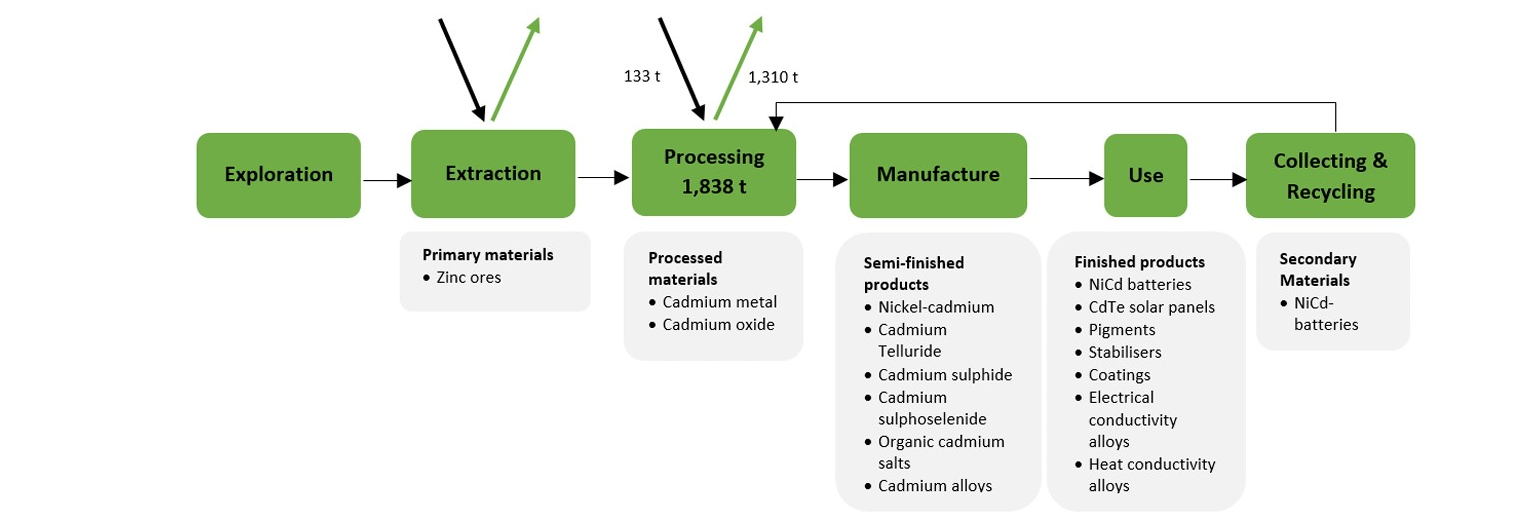
Most cadmium is produced as a by-product of the extraction, smelting, and refining of non-ferrous metals – especially zinc, and to a lesser extent, lead and copper. Thus, cadmium production depends on zinc production rather than cadmium demand, making cadmium supply relatively inelastic [ICda,2021]. Nine countries account for 88% of global cadmium supply. As shown in Table 3, the main producer is China with a 39% global share, followed by South Korea with 17%. Other major producers are Japan (7%), Canada (7%), Kazakhstan (5%), Mexico (4%), Russia (4%), the Netherlands (3%), and Peru (2%).
The main consumer of cadmium is China, followed by India, which has shown a strong increase in cadmium consumption in 12 year period (from 376 t in 2011 to 11,400 t in 2023) [USGS,2021a, USGS,2025]. Other significant consumers of cadmium are Belgium, Kazakhstan, and Sweden.
Europe consumes 8% of annual global cadmium production. Cadmium for EU consumption is supplied mostly from the Netherlands, China, Germany, Canada, Bulgaria, Poland, and Norway (Table 3).
| Processing/refining | |
|---|---|
| CN Code | Title |
| 28259060 | Cadmium oxide |
| 81126910 | Unwrought cadmium and cadmium powders |
Since cadmium is extracted as a by-product of smelting and refining non-ferrous metals – especially zinc – only data on the processing stage are available and evaluated (Table 4).
Cadmium oxide (CN code 28259060) refers to high-purity (97–99.9%) cadmium oxide powders produced by roasting sulphide minerals in zinc concentrates to obtain ZnO and CdO. The calcine is then leached with sulphuric acid and precipitated as sponge cadmium. Cadmium oxide contains 88% cadmium.
Under unwrought cadmium and cadmium powders (CN code 81126910), cadmium is traded in metal form, for instance as ingots, bars, slabs, or other crude shapes, including cadmium metal powder. These products contain 99% cadmium. CN code for unwrought cadmium has changed at the end of 2021. Old CN code 81072000 was valid before 31.12.2021 (Unwrought cadmium; cadmium powders). For simplification and having long time series, data from the code 81072000 were integrated as code 81126910
For their internal evaluation of cadmium trade data [ICdA,2021a] considered only data reported under HS code 8107 “Cadmium and articles thereof, including waste and scrap”. They report that for cadmium compounds, there is no comprehensive reporting available. For example, Cadmium oxide with tariff code 2825.90.60 is not reported in COMTRADE. The reporting is only up to 6-digit HS code. Therefore, once transformed into oxides or hydroxides, it is not possible to identify the trade flows. Also, 8-digit customs codes are not consistent worldwide. For cadmium oxide, the 7th and 8th digit can be 20, 60 75 or 90.
EU imports and exports of cadmium are shown on Figure 5. The EU is currently a net exporter of cadmium oxide (CN code 28259060). If imports and exports were minor (both less than 100 t) before 2005, this changed drastically in 2006, when exports suddenly jumped to 3,387 t while imports remained at the same level. The sudden surge in cadmium exports was a consequence of the implementation of the Directive on the Restriction of Hazardous Substances in Electrical and Electronic Equipment (RoHS) from 2003 [European Commission,2003], which caused a surplus of cadmium on the EU market. Additional reasons included the widening of the EU to 10 new member states, which changed the market profile, the modernisation of European zinc smelters to improve the efficiency of cadmium extraction, and increased demand from Asian markets. In 2007, exports began a steady decrease, reaching a low of 300 t in 2021 during the COVID-19 pandemic. After that, exports recovered slightly, reaching 587 t in 2024.
Import volumes began steadily increasing between 2012, when they amounted to 7 t, and 2021, when they reached 777 t (exceeding exports). Since then, imports have shown a decreasing trend, stabilising at 467 t in 2024.
As shown of Figure 6, Russia was the main source of cadmium import to the EU until 2015. After 2016, China became the main cadmium importing country. Imports from Russia ceased entirely in 2023 as a result of EU sanctions following the Russian invasion of Ukraine [EU Commission,2023]. Imports from the Rest of the world represented only a minor share of total imports, although relative increases were observed in 2006 due to imports from Switzerland and in 2011 due to imports from Hong Kong.
The CN code for unwrought cadmium changed at the end of 2021. Until 31 December 2021, unwrought cadmium and cadmium powders were classified under CN code 81072000. To ensure consistency and maintain a continuous time series, data reported under CN code 81072000 were integrated into the new CN code 81126910. The combined dataset is presented in Figures 7 and 8.
The EU is currently a net importer of unwrought cadmium and cadmium powders (CN 81126910). Imports of unwrought cadmium and cadmium powders between 2022 and 2024 remained almost constant, showing a slight upward trend – from 1,835 t in 2022 to 1,872 t in 2024 (Figure 7). Exports during the same period also increased, but at a faster rate – from 937 t in 2022 to 1,442 t in 2024.
The main suppliers of unwrought cadmium and cadmium powders (CN 81126910) to the EU were Canada, which supplied more than 40% of total EU imports, followed by China, Norway, and Mexico (Figure 8).
As shown on Figure 9 the highest cadmium price in the past 25 years was recorded in 2007, when it reached €5,560/t. This was due to increased demand for Ni-Cd batteries in Asia and the initial growth of solar photovoltaic applications. The global financial crisis in 2008 caused a sharp decline in cadmium prices, which fell to €2,000/t in 2009. Cadmium prices continued to decline until 2016. Since then, cadmium prices have risen steadily, increasing from €1,175/t to €3,790/t in 2024 [USGS,2025]. This trend is driven by renewed demand for cadmium, particularly for Ni-Cd batteries in Asia, photovoltaic applications, and cadmium pigments and stabilisers.
A continued rise in the price of cadmium is unlikely, as there is an excess of cadmium sponge available for refining to commercial-grade cadmium metal, and new cadmium refining units can be erected in less than one year [ICdA,2026] [SCRREEN expert network,2026]. The only significant obstacle to moving cadmium sponge to existing cadmium smelters may be a regulation on the transboundary shipment of cadmium sponge.
The cadmium market is demand driven. There is already an excess of cadmium sponge available for refining, and the installation of new refining capacities can quickly meet increased demand. However, as cadmium is a by-product of zinc production, any analysis of the cadmium supply outlook should also consider the zinc market.
It is forecast that cadmium production will increase from 24,599 t in 2023 to 29,880 t in 2030 [Mordor Intelligenece,2025]. The Asia-Pacific region, especially China, South Korea, and India, will remain the main area for cadmium production and consumption. Ni-Cd batteries will continue to be the most important application for cadmium and will consequently drive demand. Pigments, coatings, and photovoltaic applications will make up the remaining share of the market.
A challenge is posed by the toxic effects of cadmium – it is expected that environmental legislation will push producers and end users to seek alternatives to cadmium in products, along with more environmentally sustainable production and recycling of cadmium. This pressure is expected to be highest in the pigments and coatings sector, while the battery sector will probably remain relatively unaffected due to the superior properties and inert application of Ni-Cd batteries.
A continued rise in the price of cadmium is unlikely, as there is an excess of cadmium sponge available for refining to commercial-grade cadmium metal, however geopolitical shocks can influence also cadmium prices.
Zinc production forecasts indicate that zinc production will exceed zinc demand by 2030 [CRU,2025] which my lead to decrease in quantities of zinc ore mining and processing. Since there is already an excess of cadmium sponge available, this should not affect cadmium production and prices. An important impact on cadmium production might also result from bans on smelting zinc concentrates with high cadmium levels, such as China’s ban on smelting zinc concentrates containing more than 0.3% Cd in 2021, which significantly influenced on China’s cadmium production [ICdA,2021a].
Demand
The average annual global production of cadmium at the processing stage for the period 2019–2023 was 24,599 t [WMD,2025]. Currently available data show 23,146 t of global cadmium production in 2024 [WMD,2026]. As cadmium is produced mostly from zinc concentrates, and there is already an excess of cadmium sponge produced, its supply will remain stable if there will be no major interruptions on the market. Even though cadmium market is relatively flat for last decades with annual production around 25,000 t, some economic forecasts indicate that cadmium production could reach approximately 30,000 t by 2030.
The average annual cadmium consumption in the EU for the period 2019–2023 was 1,849 t, which accounts for approximately 8% of global consumption. The vast majority—91%—of cadmium consumption in the EU is used for the production of Ni-Cd batteries. The rest of cadmium is used for the production of alloys, coatings, and photovoltaics.
According to the expert insight [ICdA,2026] [SCRREEN expert network,2026] the EU has an estimated production of 1,715 t of primary and 780 t of secondary cadmium, totalling 2,500 t per year.
The Ni-Cd battery manufacturing sector in the EU consumes approximately 2,000 t of cadmium per year, from which 20,000 t of industrial unsealed Ni-Cd batteries are produced by SAFT (France, Sweden, and the Czech Republic), Hoppecke (Germany), and GAZ (Germany). Other uses of cadmium in the EU are estimated at a maximum of 125 t per year. EU Ni-Cd battery manufacturers estimate that they supply at least 95% of the EU demand for industrial batteries, meaning that a maximum of 5% of Ni-Cd industrial batteries are imported. However, Eurostat data reports that imports of unsealed (industrial) Ni-Cd batteries (HS 85073080 – non-hermetically sealed Ni-Cd batteries) to the EU amounted to 1,760 t in 2024. EU manufacturers consider this data erroneous and far too high [ICdA,2026] [SCRREEN expert network,2026].
There is no EU manufacturing of sealed portable NiCd batteries, therefore all portable NiCd batteries are imported. According to Eurostat Eurostat [2025], the annual imports have decreased from 4200 t in 2012 to 1000 t of imported sealed batteries in 2024. The end of the exemption for using cadmium in emergency and alarm systems in 2025 will further reduce the use of Ni-Cd batteries. The main use affected is emergency lighting. Manufacturers of emergency lighting offer adaptor sets to enable the replacement of Ni-Cd batteries with Li-ion or NiMH batteries without needing to replace the emergency lighting. As some portable batteries may be declared as “industrial batteries”, some users may circumvent this restriction and continue to import portable Ni-Cd batteries after 2025 [ICdA,2026] [SCRREEN expert network,2026].
According to the [ICdA,2021a] in 2018, out of 24,000 t of the global cadmium supply, 57% was used for Ni-Cd battery manufacturing, 31% for alloys, 4% for coatings, 3% for pigments, 2% for PVC stabilisers (not allowed in the EU), and 1% for other applications (Figure 9a). An important and rapidly growing application of cadmium, which is largely illegal, unregulated and unmonitored, is its use in jewellery and fashion, especially in India. With mandatory hallmarking of jewellery in India, this demand should decrease significantly [ICdA,2021a].
56 % of the global cadmium supply in 2019 (estimated on 25,600 t) was used in jewellery, an application that is not authorised in the EU. Ni-Cd batteries production consume approximately 23% of the global cadmium supply, while 8% of cadmium is used for PVC stabilisers – another application not allowed in the EU. The rest of global consumption comes from cadmium plating, technical alloys, pigment manufacturing, and other special applications.

Figure 9a: World cadmium applications in 2019 [ICdA,2021a].
The EU was self-sufficient in cadmium production until 2021. From 2000 to 2005, domestic cadmium production met all internal demand. After the implementation of the Directive on the Restriction of Hazardous Substances in Electrical and Electronic Equipment (RoHS) in 2003 [European Commission,2003], cadmium consumption in the EU decreased drastically. At the same time, domestic cadmium production and imports remained unchanged. This resulted in a significant surplus of cadmium on the internal market, leading to a substantial increase in exports.
The internal market recovered in 2013 with a decreased amount of exports and steadily rising amounts of cadmium imports.
Internal cadmium production decreased in 2021 because of Covid-19 lockdowns and restrictions. This was reflected in increased imports of cadmium, causing the EU to become a net importer of cadmium (Figure 10).
Based on trade data EU is net importer of cadmium since 2021.
The main importers of unwrought cadmium and cadmium powders (CN 81126910) are Canada, China, Norway, and Mexico (Figure 8). Cadmium oxide (CN 28259060) was mainly imported from Russia, while in recent years, China has become the main importer of cadmium oxide (Figure 6).
According to the expert insight [ICdA,2026] [SCRREEN expert network,2026] The EU has an estimated production of 1,715 t of primary and 780 t of secondary cadmium, totalling 2,500 t per year. Ni-Cd battery manufacturing in the EU consumes approximately 2,000 t cadmium per year. Other uses of cadmium in the EU are estimated at no more than 125 t per year. Additionally, 1,500 t/y of cadmium is converted from ingots into powders and oxide. Part of this material is sold to the batteries sector, and part is exported. In conclusion, the EU is self-sufficient in cadmium refining to meet internal needs. However, it depends on imports for its transformation sector, which converts cadmium ingots into value-added products such as cadmium oxide and cadmium powder, mainly for export.
Global use of cadmium [ICdA,2021a]:
- Ni-Cd batteries – consume 57% of global cadmium supply.
- Alloys – consume 31% of global cadmium supply
- Cadmium coatings and plating – consumes 4% of global cadmium supply..
- Pigments – consume 3% of global cadmium supply.
- PVC stabilisers – consume 2% of global cadmium supply. This application is not allowed in the EU.
- Other technical applications (photovoltaics, etc.) – consume only 1% of global cadmium supply.
- Jewellery – This application is not allowed in the EU. it shares in the global market cannot be assessed as this market is illegal, and unmonitored..
The EU use of cadmium shows a very different distribution:
- Ni-Cd batteries consume 91% of the EU cadmium supply.
- Alloys consume 5% of the EU cadmium supply.
- Coatings consume 3% of the EU cadmium supply.
- Photovoltaics/solar panels consume 1% of the EU cadmium supply.
Table 5 and Figure 13 provide an overview of cadmium applications in the EU across various industrial sectors, represented by 2-digit and 4-digit NACE classifications, together with their respective value-added contributions for 2022.
The main EU cadmium application is Ni-Cd battery production, which is included in sector C27 - Manufacture of electrical equipment. Sector C24 - Manufacture of basic metals covers the production of cadmium-containing alloys, the second most important application of cadmium in the EU. Cadmium coatings fall under sector C25 - Manufacture of fabricated metal products, except machinery and equipment, while solar applications are included in sector C26 - Manufacture of computer, electronic and optical products.
The highest value added is attributed to sector C25 – Manufacture of fabricated metal products, except machinery and equipment, with €218 billion. This sector also shows the highest and most consistent growth, reinforcing its strong and expanding role in the European industrial landscape (Figure 13). The sector was sensitive to the Covid-19 lockdown, as seen in the decline in value added in 2020. The production of cadmium coatings is relatively limited.
Sector C27 – Manufacture of electrical equipment, where most cadmium is applied, has a value added of €100.1 billion and shows consistent growth, except in 2022, when a declining trend is observed.
Sector C26 – Manufacture of computer, electronic and optical products has shown a relatively flat value added trend over the last 10 years. The current value added amounts to €71.6 billion.
Sector C24 – Manufacture of basic metals was another sector sensitive to Covid-19 lockdowns and the halt of production and trade. Despite constant growth, its value added sharply decreased in 2020, but strong growth resumed in 2021. Current value added is €90 billion.
| Applications | 2-digit NACE sector | Value added of NACE 2 sector | 4-digit CPA |
|---|---|---|---|
| Batteries | C27 - Manufacture of electrical equipment | 125,000M€ | C27 - Manufacture of electrical equipment |
| Coatings | C25 - Manufacture of fabricated metal products, except machinery and equipment | 220,000M€ | C25 - Manufacture of fabricated metal products, except machinery and equipment |
| Alloys | C24 - Manufacture of basic metals | 74,046M€ | C24 - Manufacture of basic metals |
| Solar Application | C26 - Manufacture of computer, electronic and optical products | 110,000M€ | C26 - Manufacture of computer, electronic and optical products |
Cadmium is widely used in nickel-cadmium (Ni-Cd) batteries, which are essential for applications requiring high reliability and performance under extreme conditions. These batteries are commonly found in aviation, rail transport, emergency backup power systems, and certain industrial equipment, where their robustness, long cycle life, and ability to deliver high surge currents are critical. More than 90% of cadmium in the EU is used for the production of Ni-Cd batteries, while globally battery production consumes 51% of the cadmium supply.
In alloys, cadmium is used to improve mechanical strength, electrical conductivity, and corrosion resistance. Copper-cadmium alloys are employed in overhead electrical wires and specialised cables, while lead-cadmium alloys have been used in cable sheathing and wire rope socketing. Cadmium-containing solders are important in aerospace, defence, and some high-performance industrial applications. The use of cadmium in alloys represents only 5% of EU cadmium consumption, while globally this share is much larger – around 31%.
Cadmium coatings are valued for their corrosion resistance, lubricity, and solderability, making them important in aerospace, marine, and military hardware. These coatings are used on fasteners, landing gear, hydraulic fittings, and electrical connectors. Cadmium pigments, known for their vivid colours and stability, are used in artists’ paints, plastics, ceramics, and road markings where long-term colour retention and durability are required. Both coatings and pigments represent only 3% of EU cadmium consumption. Globally, this percentage is slightly higher but minor compared to other uses.
In solar energy, cadmium is a key component of cadmium telluride (CdTe) thin-film solar cells. CdTe modules are widely deployed in utility-scale solar farms, particularly in the United States, due to their cost-effectiveness, manufacturing efficiency, and robust performance. However, their share remains minor compared to silicon-based solar cells, and only 1% of cadmium supply is used for them.
Metallic cadmium is used as negative electrode (anode) in rechargeable Ni-Cd batteries. Cadmium offers high energy density, long cycle life, gradual loss of capacity and excellent performance under extreme temperatures. This types of batteries also tolerates deep discharges and supports high surge currents, making Ni-Cd batteries robust for demanding applications or harsh environment [ICda,2021].
Unsealed (vented or open) Nickel-Cadmium (Ni-Cd) industrial batteries are robust, high-performance energy storage solutions primarily designed for critical, heavy-duty applications where reliability and long service life are essential. Vented cells allow gas to escape and the electrolyte to be maintained, enabling operation in extreme conditions for 20–40 years. They are are widely deployed as backup power supplies for critical infrastructure such as hospitals, nuclear power plants, offshore oil platforms, and refineries. In these settings, uninterrupted power is vital for life-support systems, reactor safety mechanisms, and emergency shutdown procedures. Ni-Cd technology is preferred because of its proven reliability, ability to withstand long storage periods without degradation, and resilience in extreme temperatures and corrosive environments. The cadmium content in industrial batteries is around 10 wt %.
Ni-Cd batteries play a critical role in civilian and military aviation. They are used to start engines on the ground and provide reliable backup power for essential avionics and flight control systems. Their ability to deliver high surge currents and operate under extreme temperature conditions makes them indispensable for aircraft safety.
In rail and metro networks, Ni-Cd batteries serve as emergency power sources for braking systems, ensuring trains can stop safely during power outages. They also provide backup for lighting, ventilation, and communication systems, maintaining passenger safety and operational continuity during failures. Their durability and tolerance for deep discharge cycles make them ideal for these demanding environments, where reliability under harsh conditions is essential.
The end of the EU exemption for using sealed Ni-Cd batteries in emergency and alarm systems in 2025 will further reduce the use of Ni-Cd batteries. The main application affected will be emergency lighting.
The use of Ni-Cd batteries in the EU is restricted to industrial applications; placing Ni-Cd batteries on the market in consumer goods has been prohibited since 2017.
Ni-Cd battery producers use Cd ingots, Cd powder and CdO powder in their process. Some convert cadmium ingots into powder or oxides inhouse.
Cadmium possesses special properties such as a low melting point, excellent corrosion resistance, and the ability to enhance mechanical strength without significantly compromising electrical conductivity. Although its use has declined due to environmental and health concerns, cadmium-containing alloys remain important in certain industrial sectors where performance under extreme conditions is critical [ICda,2021].
One of the most significant official uses of cadmium in alloys is in copper-cadmium systems. These alloys typically contain about 0.8–1.2% cadmium, which almost doubles the tensile strength of pure copper while maintaining up to 90% of its electrical conductivity. This combination of strength and conductivity makes copper-cadmium alloys ideal for applications such as railway overhead electrification wires, aerospace and military cables, and electrical contact strips. The last EU company producing CuCd alloy wire is phasing out this product and has switched to alternative alloys [ICdA,2026] [SCRREEN expert network,2026].
Lead-cadmium alloys incorporate up to 2% cadmium to improve strength and durability without significantly increasing the melting point. These alloys are commonly used in wire rope socketing for cable cars, cranes, and lift bridges, as well as in cable sheaths that experience cyclic stress. There is still some activity in EU on soldering and brazing alloys and in wire rope socketing for cable cars, cranes, and lift bridges [ICdA,2026] [SCRREEN expert network,2026].
Cadmium is also used in specialised soldering and brazing alloys, often combined with silver, zinc, and tin. These alloys have lower melting points than conventional silver solders, making them suitable for joining temperature-sensitive components. They also exhibit high tensile strength– two to three times greater than that of common solders– providing secure joints in critical assemblies. Typical applications include aerospace and defence components, as well as intermediate-temperature soldering of magnesium and aluminium parts.
One of the largest unofficial and unregulated uses of cadmium alloys outside the EU is in jewellery making, especially in India [ICdA,2021a]. Over the past decade, India has grown from an insignificant cadmium consumer to one of the largest consumers of cadmium globally [USGS,2025].
A gold–8%Cd alloy (KDM gold) is widely used for soldering gold jewellery, as it does not dilute the gold when the jewellery is remelted. In 2021, it was announced that hallmarking of gold jewellery would be mandatory in India to ensure product purity. However, this measure has not yet had a visible effect on trade statistics, with India still increasing its cadmium imports [USGS,2025].
Cadmium is also widely used in silver alloys. It is added in smaller quantities (2% or 4%) to make silver more resistant to tarnish, while maintaining the required silver purity of at least 925/1000. However, alternative cadmium-free solutions are now available, and it is expected that this use of cadmium will diminish and eventually disappear.
Another fast-growing segment in India is imitation, costume, and fashion jewellery, where alloys containing more than 90% cadmium are used. In this segment, cost is the main factor driving the use of cadmium. It is also the segment with the highest cadmium consumption.
The growth or decline of this market segment will be influenced by the future implementation of more stringent health and environmental legislation in countries where it is currently lacking.
Cadmium is applied as a coating primarily because of its ability to protect base metals from corrosion, especially in harsh environments such as marine and aerospace settings. Cadmium resists corrosion in alkaline and saline conditions, provides natural lubricity for threaded components, and maintains excellent solderability for electrical connections. These characteristics make cadmium coatings highly valuable for components that require both durability and precision performance under extreme conditions.
The use of cadmium coatings in the EU is restricted to articles and/or components used in the aeronautical, aerospace, mining, offshore and nuclear sectors for applications that require high safety standards.
Cadmium coatings are widely used in aerospace and defence industries, where they protect fasteners, landing gear components, and hydraulic fittings from corrosion while ensuring smooth assembly and disassembly thanks to their lubricating properties. Although alternative coatings have been proposed in aviation, a transition is significantly hindered by the extremely lengthy and costly certification process. Therefore, cadmium use and growth in this application are expected to align with the growth of the aviation market [ICdA,2026] [SCRREEN expert network,2026].
In marine environments, ships and offshore equipment contain cadmium-coated parts to resist saltwater corrosion. Electrical and electronic connectors also benefit from cadmium coatings because they combine corrosion resistance with excellent solderability, ensuring reliable conductivity. Historically, cadmium coatings were used in automotive and heavy machinery, but these applications have declined due to environmental restrictions.
Cadmium pigments are valued for their exceptional thermal and light stability and vibrant colour range, which includes cadmium yellow (CdS), cadmium orange, and cadmium red (CdSe or mixed sulphide-selenide compounds). Their high resistance to heat makes them suitable for demanding applications such as thermoplastic and thermosetting powder coatings, as well as enamels and ceramic glazes that require firing at elevated temperatures. Cadmium pigments also exhibit outstanding lightfastness and weather resistance, making them suitable for use in road marking materials, where long-term colour retention is critical.
However, due to cadmium’s toxicity, regulatory restrictions have significantly reduced its use. In the European Union, cadmium pigments are banned in most plastics except for certain safety-related applications. These restrictions aim to minimise environmental and human exposure while allowing limited exemptions where no suitable alternatives exist.
The cadmium pigment market is rather flat. Cadmium pigments are also relatively expensive compared to other pigments. Only one manufacturer in the EU produced these pigments, but has discontinued this product. The cadmium pigment production closest to the EU is located in the UK [ICdA,2026] [SCRREEN expert network,2026].
Cadmium compounds are also used as stabilisers in polyvinyl chloride (PVC) formulations. Typically, cadmium is incorporated as cadmium stearate or cadmium laurate, which act as heat stabilisers during PVC processing. These stabilisers prevent PVC degradation at high temperatures by neutralising hydrochloric acid released during thermal decomposition. Historically, cadmium-based stabilisers were widely used in semi-rigid and flexible foils, such as roofing membranes, and in rigid outdoor applications like window profiles, where long-term durability and weather resistance were essential.
Today, the use of cadmium stabilisers has been restricted in the EU and many other regions due to environmental concerns and has been replaced by calcium-zinc or organic stabilisers. Nevertheless, cadmium stabilisers remain part of the historical context of PVC technology and may still be encountered in legacy products or in use in regions with less stringent regulations.
Cadmium and tellurium form a stable semiconductor compound, CdTe, which is used in thin-film photovoltaic (PV) cells [ICda,2021]. It is the second most common PV technology in the global marketplace after crystalline silicon. However, it is the leading thin-film solar technology, especially in the United States, where it accounts for about 34% of the utility-scale PV market and roughly 3% of the global PV market [Meagley et al.,2025].
Cadmium is used as cadmium telluride (CdTe), which serves as the p-type absorber layer in the solar cell. Cadmium sulphide (CdS) is used as the n-type window layer, forming the p-n junction necessary for photovoltaic operation.
There is no CdTe cell manufacturing in the EU. Since 2024, a new Chinese-owned plant in Germany (CTF Solar) has been producing high-purity CdTe panels. However, the production of CdTe solar modules takes place in China. The use of CdTe solar cells in the EU is restricted to professional applications and is not permitted on private houses. EU regulation also requires the recycling of CdTe from PV cells within the EU. A recycling plant for such cells is operational in Germany and is operated by the Canadian company First Solar, the world’s largest manufacturer of CdTe PV cells [ICdA,2026] [SCRREEN expert network,2026].
| Use | Percentage | Substitute | Sub share | Cost | Performance |
|---|---|---|---|---|---|
| Batteries | 96% | Lithium-ion battery | 60% | Very high costs (more than 2 times) | Similar |
| Batteries | 96% | No substitute | 29% | No substitute | |
| Batteries | 96% | NiMH | 10% | Slightly higher costs (up to 2 times) | Similar |
| Batteries | 96% | Fuel cell | 1% | Very high costs (more than 2 times) | Similar |
| Coatings | 3% | not assessed, below 10% | 100% | No substitute | |
| Alloys | 1% | not assessed, below 10% | 100% | No substitute | |
| Solar Application | 0% | Silicon based | 92% | Similar or lower costs | Similar |
| Solar Application | 0% | InP | 1% | Slightly higher costs (up to 2 times) | Similar |
| Solar Application | 0% | Germanium | 1% | Slightly higher costs (up to 2 times) | Similar |
| Solar Application | 0% | GaSb | 1% | Slightly higher costs (up to 2 times) | Similar |
| Solar Application | 0% | GaAs | 1% | Slightly higher costs (up to 2 times) | Similar |
| Solar Application | 0% | No substitute | 1% | No substitute | |
| Solar Application | 0% | InSb | 1% | Slightly higher costs (up to 2 times) | Similar |
| Solar Application | 0% | InAs | 1% | Slightly higher costs (up to 2 times) | Similar |
| Solar Application | 0% | GaP | 1% | Slightly higher costs (up to 2 times) | Similar |
In recent decades, many efforts have been made to phase out or substitute cadmium in various technologies due to its toxic effects on the environment and human health. However, results have varied (Table 6).
In Ni-Cd batteries, where most cadmium is used, substitution is not possible due to its specific electrochemical properties. Other battery technologies, such as Li-ion and NiMH, have largely replaced Ni-Cd batteries in consumer products and everyday use (up to 70% of all applications), while Ni-Cd batteries remain indispensable for certain industrial and back-up applications.
A similar trend can be observed in the use of cadmium in alloys and coatings – cadmium in widely used products was replaced with other alloys and coatings, while cadmium remains in use for products designed for extreme environments or specialised applications.
Thin-film solar cell technology using CdTe represents only a small share of cadmium use, but it is expected to rise slowly, especially in the USA. Here, cadmium cannot be directly replaced; however, other solar cell technologies can be effectively used instead.
Cadmium cannot be directly replaced in nickel-cadmium (Ni-Cd) batteries without fundamentally changing the battery chemistry. Ni-Cd batteries in small consumer products were replaced with alternative chemistries, such as nickel-metal hydride (NiMH) or lithium-ion batteries (Li-ion). These two types of batteries can also serve as alternatives for other uses, but not in applications where reliability and stability are of major importance [USGS,2025].
Copper-cadmium alloys, especially in electrical applications, can be replaced with copper-silver or copper-magnesium alloys. However, these alternatives may not fully match the fatigue resistance and workability of copper-cadmium alloys. For overhead electrical wires, copper-magnesium is now widely used as a replacement.
Applications of lead-cadmium alloys have now shifted to lead-antimony or lead-calcium alloys, which provide similar mechanical properties without the toxicity of cadmium.
Soldering and brazing alloys containing cadmium are being replaced by silver-zinc, tin-silver, or tin-copper alloys, especially in electronics and plumbing. However, cadmium solders are still used in some aerospace and defence applications where their unique combination of low melting point and high strength is critical and no direct substitute is available.
Other speciality alloys, such as those used in bearings or low-friction parts, are increasingly being replaced by advanced polymers, ceramics, or other metal alloys (e.g., zinc-aluminium, tin-based alloys), depending on the required properties.
Due to the high cadmium consumption for jewellery in some countries outside the EU - Cadmium in jewellery can and should be replaced with copper, zinc, tin, silver, and other non-toxic metals and alloys. These materials can provide similar appearance, weight, and casting properties without the health risks associated with cadmium.
The most common alternatives to cadmium coatings are zinc-nickel, tin-zinc, and aluminium coatings. These offer comparable corrosion protection and are now standard in the automotive, electronics, and general engineering sectors. In aerospace and defence, zinc-nickel is the preferred substitute, but only where the surface characteristics provided by cadmium – such as corrosion resistance, low friction coefficient, and electrical conductivity – are not critically important [USGS,2025].
Most cadmium pigments have been replaced by organic pigments (azo, quinacridone, perylene) and inorganic alternatives (iron oxide, bismuth vanadate, chromium titanate). These substitutes offer good colour properties and are much safer, though some may not fully match the thermal or weather resistance of cadmium pigments. Cadmium-based pigments can also be replaced by cerium sulphide, which is used mainly in the production of plastics. There are no alternatives for cadmium in artists’ paints that provide the same colour spectrum.
Cadmium stabilisers in PVC were phased out in the EU in 2001. Substitutes for cadmium as a stabiliser in PVC production include barium-zinc, calcium-zinc, and organotin stabilisers. However, these may also have a negative impact on human health [Wiesinger et al.,2024].
Cadmium cannot be directly replaced in cadmium telluride (CdTe) thin-film solar cells. Other photovoltaic technologies, such as silicon-based solar cells, can effectively replace CdTe solar cells at a similar cost. Other thin-film technologies, such as germanium, InAs, InP, GaP, GaSb, GaAs, InSb, copper indium gallium selenide (CIGS), and perovskite, can also be applied; however, each has its own challenges regarding stability, scalability, toxicity, and material availability [USGS,2025].
Supply
Primary Cd production in EU currently covers approximately 71% of its domestic needs for cadmium compounds.In 2018, five EU zinc plants in four EU member states recovered cadmium from zinc concentrates [ICdA,2021a]. However, many more zinc smelters and zinc mines exist in the EU, but they do not recover cadmium for financial or environmental reasons. EU primary cadmium production between 2020 and 2024 averaged 1,500 t, decreasing from over 2,000 t in 2020 to 1,035 t in 2024 [WMD,2026]. Total EU primary refined cadmium output in 2026 is expected to be 1,715 t. [ICdA,2026] [SCRREEN expert network,2026]. EU cadmium production accounted for 8% of global production.
The main cadmium producers in the EU are the Netherlands (average annual production of 725 t), Germany (average annual production of 285 t), Bulgaria (average annual production of 330 t), and Poland (average annual production of 155 t) [WMD,2026] [Idoine et al.,2025]. However, Poland stopped producing cadmium between 2021 and 2022, and Germany has reduced its production in recent years, declining from 500 t in 2020 to 64 t in 2024 [WMD,2026] [Idoine et al.,2025]. This is a consequence of the Glencore Nordenham zinc smelter being placed in care and maintenance from October 2022 to March 2024, which included the cadmium smelter activities with an annual capacity of around 500 t of refined cadmium [ICdA,2026] [SCRREEN expert network,2026]. On the other hand, VPMS in Germany began operations in 2021 and produces a series of specialty compounds, including high-purity cadmium (5N–7N) and various cadmium compounds [ICdA,2026] [SCRREEN expert network,2026].
Netherlands cadmium output has also decreased in recent years, as the Nyrstar Budel smelter reduced zinc output by 25% during 2022–2024 due to high electricity prices, which was also reflected in cadmium output [ICdA,2026] [SCRREEN expert network,2026].
Flaurea (Belgium) transforms cadmium ingots into cadmium powder and cadmium oxide powder, producing a total of 1,500 t/y. As there is no cadmium refining in Belgium, all cadmium is imported from EU or non-EU countries. Some of these products are sold in the EU for manufacturing goods, while some are exported [ICdA,2026] [SCRREEN expert network,2026].
The remaining 29 % of cadmium for the EU market is imported from China, Canada, Norway, and Mexico.
MSA on cadmium does not exist.
Cadmium is a toxic and very rare element with an average concentration between 0.09 ppm [Rudnick & Gao,2003] and 0.2 ppm [Dill,2010].
There are more than 20 different cadmium minerals among which greenockite (CdS), and otavite (CdCO3) are the most common. These occur within sulphide ore bodies, mainly as supergene, secondary minerals. Cadmium can occur in its elemental form, but only five locations of elemental cadmium occurrences are known. Cadmium minerals are scarce – none of them forms ore bodies or is of economic importance.
The main source of cadmium is zinc ore – sphalerite and smithsonite contain cadmium as an impurity in the crystal lattice, as both zinc and cadmium have similar chemical properties [Dill,2010], [USGS,2025]. Zinc concentrates contain between 0.1% and 0.5% cadmium [Dill,2010]. Cadmium is also present in galena (PbS) and associated minerals, but in much smaller amounts compared to sphalerite.
Cadmium is mainly associated with zinc and, to a lesser extent, with lead and copper sulphide deposits. The most common deposit types that may contain sphalerite (ZnS) enriched in cadmium are Mississippi Valley-Type (MVT) deposits, sedimentary exhalative (SEDEX) deposits, and volcanogenic massive sulphide (VMS) deposits. The cadmium content of typical zinc ores averages about 0.03%. After ore beneficiation, zinc ore concentrates contain between 0.1% and 0.5% cadmium [Dill,2010]. Excessive cadmium levels in concentrates may be penalised or even refused by smelters due to cadmium toxicity and the additional costs incurred during the metal refining process.
| Country | Resources (tonnes) |
|---|---|
There is no direct estimate of cadmium resources, as cadmium is produced solely as a by-product of zinc, copper, or lead refining.
According to the [USGS,2025], global zinc reserves are estimated at 1.9 billion tonnes. It can be assumed that many of these zinc resources contain cadmium that can be recovered as a by-product. As previously stated, the cadmium content of typical zinc ores averages about 0.03%. After ore beneficiation, zinc ore concentrates contain between 0.1% and 0.5% cadmium [Dill,2010].
| Country | Resources (tonnes) |
|---|---|
There is no direct estimate of cadmium reserves, as cadmium is produced solely as a by-product of zinc, copper, or lead refining.
According to the [USGS,2025], global zinc reserves are estimated at 230 million tonnes. It can be assumed that many of these zinc reserves contain cadmium that can be recovered as a by-product. As previously stated, the cadmium content of typical zinc ores averages about 0.03%. After ore beneficiation, zinc ore concentrates contain between 0.1% and 0.5% cadmium [Dill,2010].
| Country | Classification | Quantity (Mt of ore) | Quantitiy of cadmium (metal) | Reporting code | Reporting date | Deposit, Source | ||
|---|---|---|---|---|---|---|---|---|
|
France |
3,000 | non-compliant historical resource estimate | 2019 | [EuroGeoSurveys,2025] | ||||
| Greece | 1,870 |
non-compliant historical resource estimate |
2019 | [EuroGeoSurveys,2025] |
[EuroGeoSurveys,2025] lists 54 mineral deposits and occurrences containing cadmium on the EGDI web service. These are located in Finland, France, Greece, Spain, and Sweden. Six are classified as large, medium, or small deposits (in France, Greece, and Spain); the remainder are occurrences associated especaily with coal deposits. France reports 3,000 t of cadmium resources as a non-compliant historical resource estimate from one of their large deposits. Greece reports 1,870 t of cadmium resources from its two largest deposits.
Furthermore, EGDI shows 5,126 deposits and occurrences of zinc in Europe, without data on cadmium content [EuroGeoSurveys,2025]. Of these, 243 are classified as very large, large, or medium deposits. The remainder are small deposits or occurrences. In 2019, three EU countries reported zinc reserves and six EU countries reported zinc resources. [ILZSG,2025] states that Europe has over 240 operating zinc-producing sites. A large proportion of these most probably contain cadmium, which could potentially be extracted by refining cadmium sponge to commercial grade cadmium (99.99%).
In 2018, five EU zinc plants recovered cadmium from zinc concentrates [ICdA,2021a]:
- Plovdiv (KCM 2000 AD) in Bulgaria,
- Nordenham (NZH Glencore) in Germany,
- Budel (Nyrstar) in the Netherlands,
- Miasteczko Slaskie (HCM), in Poland
- Bukowno (ZGH-Boleslaw) in Poland.
They represent 37% of EU zinc refining. The other plants extract a cadmium containg slag - a cadmium sponge, a wet powder product with main contaminants zinc and copper which is disposed of or safely stored as hazardous waste. This implies that only one third of all cadmium mined in the EU or entering the EU is recovered for sales and use [Eurometaux,2019].
| Country | Classification | Quantity (Mt of ore) | Grade (% Cadmium) | Reporting code | Reporting date | Source | ||
|---|---|---|---|---|---|---|---|---|
There is no direct estimate of cadmium reserves in EU, as cadmium is produced solely as a by-product of zinc, copper, or lead refining.
There are no data on cadmium production at the mining stage.
The global annual production of refined cadmium between 2019 and 2021 was very stable, ranging from 25,089 t to 25,540 t [WMD,2025]. In 2022, production decreased to 22,611 t. In 2023, global production recovered to 24,226 t, but fall again in 2024, reaching 23,146 t [WMD,2026]. The USGS (2026) reports 23,000 t of refined cadmium production for 2025.
Cadmium production has remained relatively stable and flat over the past 40 years, as it is directly linked to zinc production. In 1984, production was estimated at 19,000 t, then gradually increased to exceed 26,000 t between 2016 and 2018, before stabilising at approximately 25,000 t thereafter. The only significant decrease in production occurred between 1999 and 2003, when output fell to 16,000 t [WMD,2025].
The main cadmium-producing country is China, followed by South Korea, Japan, Canada, Mexico, and Kazakhstan [WMD,2026] [Idoine et al.,2025].
In the EU, the main cadmium producers are the Netherlands (average annual production of 725 t), Germany (average annual production of 285 t), Bulgaria (average annual production of 330 t), and Poland (average annual production of 155 t) [WMD,2026] [Idoine et al.,2025]. Poland stopped producing cadmium between 2021 and 2022, and Germany has reduced its production in recent years, declining from 500 t in 2020 to 64 t in 2024.This is a consequence of the Glencore Nordenham zinc smelter being placed in care and maintenance from October 2022 to March 2024, which included the cadmium smelter activities with an annual capacity of around 500 t of refined cadmium [ICdA,2026] [SCRREEN expert network,2026]. On the other hand, VPMS in Germany began operations in 2021 and produces a series of specialty compounds, including high-purity cadmium (5N–7N) and various cadmium compounds [ICdA,2026] [SCRREEN expert network,2026]. EU production in period between 2019 and 2023 represented 8% of the global production (Table 3).
Additionally, Boliden has increased the zinc refining capacity at its Norwegian smelter in Odda in 2025 from 200 kt/y to 350 kt/y, including an expansion of its cadmium smelter. With the intention of refining all cadmium present in the zinc concentrates, the cadmium output is expected to rise from 380 to 665 t/y. The new expansion started in the first quarter of 2025, reaching full capacity by the end of 2025 [ICdA,2026] [SCRREEN expert network,2026].
In 2020, Hindustan Zinc (HZL, India) announced an investment in a new cadmium refining plant at the Chanderiya zinc plant, India, with a capacity of 2,600 tonnes of refined cadmium per year. As of 2026, this investment has not been realised, and the cause of the delay is unclear [ICdA,2026] [SCRREEN expert network,2026].
Brazilian zinc smelter Nexa currently has no cadmium refining capacity but is considering investing in a cadmium refining unit [ICdA,2026] [SCRREEN expert network,2026].
Recycling cadmium-containing products is important not only to provide additional raw material sources, but also to keep cadmium out of waste streams due to its toxicity.
Cadmium has a relatively high global recycling rate of about 30% according to [UNEP,2011], which has remained stable in recent years [SCRREEN expert network,2026]. Secondary materials and end-of-life products include Ni-Cd batteries and CdTe photovoltaic modules. Secondary or recycled cadmium now accounts for about 23% of total cadmium supply [ICdA,2021].
The collection of Ni-Cd batteries is well established, particularly in Europe, North America, Australia, Japan, and other OECD countries, thereby improving overall recycling rates. Once collected, Ni-Cd batteries are recyclable at rates exceeding 75 wt%, similar to lead-acid batteries [Eurostat,2020]. Cadmium levels in industrial Ni-Cd batteries range from 7% to 13%, while in portable Ni-Cd batteries they are around 15% [ICdA,2021] [SCRREEN expert network,2026].
Worldwide, recycling plants in the United States, Europe, and Asia have a total capacity of 20,000 t for industrial and consumer Ni-Cd batteries and their manufacturing scraps. In the EU, there are currently four plants that recycle collected NiCd batteries (SNAM France, SAFT France, SAFT Sweden, Accurec Germany). In Europe, between 6,000 and 7,000 t of Ni-Cd batteries of EU origin are collected for recycling [ICdA,2021] [SCRREEN expert network,2026]. Nickel-cadmium battery collection programmes in Europe are now organised and promoted by Eucobat, which maintains a complete listing of national collection organisations and recyclers throughout Europe.
The materials in recyclable Ni-Cd batteries can be recovered at rates exceeding 99% for reuse in the production of new Ni-Cd batteries. For CdTe photovoltaic modules, current thin-film PV module recycling processes recover more than 90% of a CdTe PV module at the end of its useful life for reuse in new solar, glass, and rubber products [ICdA,2021]. This includes over 90% of the CdTe semiconductor material. However, recycled volumes of thin films remain modest, so the amount of cadmium recovered does not make a significant contribution to the total cadmium recovered from secondary sources in Europe.
| MSA Flow | Value | ||
|---|---|---|---|
Ni-Cd batteries remain the main source of post-consumer cadmium recycling, but volumes are decreasing. Ni-Cd batteries are recycled at rates exceeding 75 wt% [ICdA,2021].
The cadmium concentration in industrial batteries ranges from 7% to 13%, with a midpoint of around 10%. EU recyclers annually receive approximately 2,800 tonnes of industrial batteries (placed on the market about 15 years ago), from which 280 tonnes per year of cadmium is extracted [SCRREEN expert network,2026].
Portable Ni-Cd batteries are imported into the EU. The volumes placed on the EU market have been declining due to the progressive expiry of the three exemptions from the 2006/66/EC prohibition, with a total phase-out by 18 August 2025. The volume of portable Ni-Cd batteries received by recyclers may have peaked at around 4,000 t/y in 2017 and is now approximately 3,300 t/y, from which 500 kg of cadmium can be recovered.
Due to the phase-out of Ni-Cd portable batteries, fewer portable batteries will be available for recycling. The average cadmium content in portable batteries is 15%. With an expected lifetime of 15 years, this recycling flow is expected to disappear by 2040, requiring an additional 500 t/y of primary cadmium.
The total amount of cadmium recovered from Ni-Cd battery recycling in the EU is 780 t/year, requiring a net use of 1,220 t/year of primary cadmium to meet demand. Although the recycling rate is high, the recycled content is modest due to the high level of export of EU-manufactured industrial batteries (85%).
Current recycling processes for CdTe solar panels can recover more than 90% of cadmium from PV modules. However, the quantity of solar panels currently available is low, as is their cadmium content [ICdA,2021].
End-of-life recycling input rate (EoL-RIR) is typically below 20% globally, because most of the other cadmium-containing products are either dissipative or not collected for recycling [UNEP,2011].

Figure 14a: Annual volumes of Ni-Cd batteries recycled in the EU [ICdA,2026] [SCRREEN expert network,2026].
Industrial recycling of new scrap for cadmium includes:
- Fabrication scrap from Ni-Cd battery production,
- Offcuts and dust from alloy manufacturing,
- Cadmium-containing dust from electric-arc furnaces (steel recycling),
- Process residues from CdTe solar cell manufacturing.
Industrial recycling of new scrap is much higher than post-consumer recycling because the scrap is concentrated, easy to collect, and processes are integrated into production lines.
There is no specific figure available for the recycling rate of new scrap. However, it contributes more than 30% to the global cadmium recycling rate, which is 30% [UNEP,2011].
The production of cadmium depends on the method used for zinc refining. Zinc can be produced using either the so-called dry zinc extraction or the wet zinc extraction.
In dry zinc extraction, both cadmium and zinc are reduced. As cadmium has a lower boiling point, it evaporates before the zinc components. It then reacts with oxygen to form cadmium oxide and can be distilled. Fractional distillation is used to increase cadmium recovery.
Wet zinc extraction reduces and precipitates dissolved cadmium ions using zinc dust. The cadmium is then oxidised with oxygen and dissolved in sulphuric acid. The resulting cadmium sulphate is electrolysed with aluminium anodes and lead cathodes, producing particularly pure cadmium [ISE,2019].
For recycling Ni-Cd batteries, metallurgical processing can be carried out in three ways: pyrometallurgy, hydrometallurgy, or hybrid processes that combine pyro- and hydrometallurgical techniques for the production of metals or their compounds. Preparation stages based on typical ore enrichment operations, such as crushing, grinding, magnetic separation, electrostatic separation, and separation according to particle densities, are also applied [Blumbergs et al.,2021].
Three main pyrometallurgical processes are used to recover cadmium [Barashev et al.,2013]: sublimation of cadmium oxide in an open furnace followed by condensation as a powder; distillation in a closed furnace atmosphere, producing powdered metallic cadmium and an iron-nickel alloy; and chlorination of batteries using gaseous chlorine or hydrochloric acid, with cadmium chloride sublimating at 960°C. Nickel and cobalt remain stable. The companies SNAM (France), Sab Nife (Sweden), and Inmetco (U.S.) all use large-scale pyrometallurgical processes to recycle Ni-Cd batteries based on distillation of metallic cadmium in a closed furnace atmosphere. Distillation is usually carried out at 850–900°C, and the resulting cadmium is more than 99.95% pure.
Hydrometallurgical technologies are usually more complex and require more stages than the pyrometallurgical approach; however, they are often more efficient, more flexible, and provide increased selectivity during metal extraction [Blumbergs et al.,2021]. Batenus (Germany) and TNO (Netherlands) typically apply hydrometallurgical processes for recycling nickel-cadmium batteries. These processes are based on solvent extraction, followed by electrolysis, ion exchange, and membrane technology.
Other considerations
Cadmium can enter biological processes during mining, smelting, manufacturing, and recycling operations as dust particles or vapours, which can be inhaled, ingested, or deposited on soil. The working environment in these sectors must meet ambient air ventilation requirements and workers need to use respirators and protective garments and be periodically biomonitored for cadmium levels in urine and blood.
Ingestion and inhalation are the primary pathways of human exposure to cadmium [ICdA,2021]. Cadmium may be ingested through consumption of contaminated food or water. In addition, the hand-to-mouth pathway is particularly relevant for young children, who may ingest cadmium via contaminated dust or particles from consumer products such as toys, plastics, jewellery, and cosmetics.
Inhalation is another important exposure route. Smoking is a significant source of cadmium intake, as tobacco plants readily accumulate cadmium from the soil [Rasin et al.,2025]. Cadmium can also enter the respiratory system through inhalation of contaminated ambient airborne particulate matter (PM). This risk is especially pronounced in industrial settings involving cadmium processing and production. In such environments, strict occupational health and safety protocols must be implemented to prevent or minimise worker exposure to airborne cadmium [ICdA,2024].
Acute inhalation of cadmium dust and vapours can cause severe lung irritation, pneumonitis, or fatal pulmonary edema. Chronic exposure to cadmium dust and vapours can cause kidney damage (proteinuria), lung disease (emphysema, bronchiolitis), bone demineralisation, and cancer (lung, prostate) [EPA,2000] . Chronic low-level exposure to cadmium in food or consumer products is linked to kidney dysfunction, osteoporosis, cardiovascular disease, and developmental toxicity [Kuna et al.,2024].
The International Agency for Research on Cancer [IARC,2012] classifies cadmium and cadmium compounds as Group 1 carcinogens because they cause lung cancer. In addition, the IARC notes a positive association between exposure to cadmium and kidney and prostate cancer. As a result, the use of cadmium in consumer products is strictly prohibited in the EU by the REACH Regulation (EC No. 1907/2006) [REACH,2006]. The regulation prohibits cadmium and its compounds in:
- Plastics (PVC, PUR, PET, PP, etc.) containing more than 0.01% by weight.
- Paints with more than 0.01% cadmium (or 0.1% if zinc content exceeds 10%).
- Jewellery and brazing fillers with more than 0.01% cadmium.
- Ban on cadmium plating for most applications (except aerospace, nuclear, and defence).
Cadmium and cadmium compounds are listed in entry 23 of Annex XVII, which specifies the polymer products in which cadmium cannot be used. This provision also states that cadmium shall not be used in plating for articles in several industrial sectors, such as freezing, cooling, and food production, and limits the use of cadmium in jewellery accessories. As cadmium and various cadmium compounds are known carcinogens, the REACH Regulation (2006) [REACH,2006] restricts the introduction to the European market of all substances listed in Appendices 1, 2, 3, and 4 to Annex XVII. Finally, since cadmium and its compounds are included in Appendix 12 to Annex XVII, their use in clothing, textiles, or footwear is prohibited in the European market by the REACH Regulation [REACH,2006].
Battery Regulation EU 2023/1542 [European Commission,2023d] prohibits cadmium in all portable batteries with more than 0.002% Cd from 18th August 2025 onwards, including those in emergency and alarm systems and medical equipment, which were still permitted under the previous Battery Directive [European Commission,2006]. It also requires the organised collection and recycling of Ni-Cd batteries.
Cadmium compounds are classified under the Classification, Labelling and Packaging EU Regulation (2008) [European Commission,2008] for their acute toxicity to humans, being harmful if inhaled (H332), harmful in contact with skin (H312), and harmful if swallowed (H302). This EU Regulation also requires that mixtures containing cadmium (such as alloys) used for brazing or soldering must include the following statement on the packaging label: “EUH207 — ‘Warning! Contains cadmium. Dangerous fumes are formed during use. See information supplied by the manufacturer. Comply with the safety instructions.’”
The RoHS Directive (2011/65/EU) [European Commission,2011] restricts cadmium in electrical and electronic equipment to ≤100 ppm (0.01%) in any homogeneous material. Exemptions exist for specific uses, such as quantum dots in LEDs, but these are time-limited, with current exemptions expiring by 2027.
Food safety regulations, such as Regulation (EC) No. 1881/2006 setting maximum levels for certain contaminants in foodstuffs [European Commission,2006a] (amended by [European Commission,2021], set maximum cadmium levels in foodstuffs (e.g., cereals, vegetables, cocoa, baby food) to protect public health. The concentration limit for cadmium in drinking water in EU is 5 μg/l [European Commission,2020A]. However, WHO guidelines [WHO,2017] recommend a cadmium concentration limit in drinking water of 3 μg/l and a provisional tolerable monthly intake (PTMI) of 25 µg/kg body weight.
Strict cadmium limits in consumer products are also imposed by the Toy Safety Directive [European Commission,2009], the Cosmetics Regulation [European Commission,2009a], and the Packaging Waste Directive [European Commission,2025].
The Government of Canada issued the Guideline Technical Document 2020 on Canadian drinking water, which includes a specific section dedicated to cadmium [Health Canada,2020].
In 2008, Washington's legislature passed the Children's Safe Products Act (CSPA). This law applies to children's products sold in Washington State and limits the use of priority toxic chemicals, including cadmium [Washington's Legislature,2008].
Due to their acute toxicity to the environment, the EU classifies cadmium compounds as very toxic to aquatic life (H400) and very toxic to aquatic life with long-lasting effects (H410) [European Commission,2008].
Animals exposed to cadmium in the aquatic environment suffer kidney damage caused by cadmium. This substance is particularly dangerous because of its high bioavailability and potential for bioaccumulation. Cadmium enters water through industrial discharges, mining runoff, and atmospheric deposition. It persists in water and sediments and is highly toxic to aquatic life, even at very low concentrations. Cadmium accumulates in aquatic organisms: fish absorb it through their gills or diet, store it in organs such as the liver, kidney, and gills, and experience disrupted physiology and reproduction [Lee et al.,2025].Cadmium can also biomagnify in the food chain – shellfish and crustaceans concentrate it – posing risks to predators, including humans, who consume contaminated seafood.
Major sources of airborne cadmium include metal smelters, coal burning, and waste incineration. Airborne particles transport cadmium over long distances, depositing it on land or water far from the source and contaminating remote areas. Inhalation of cadmium, especially by workers, leads to lung uptake; acute high-dose inhalation causes severe pneumonitis, and chronic exposure can result in emphysema (COPD).
Furthermore, cadmium is toxic to various plants and microorganisms [WHO,2019a]. Soil cadmium originates from natural rock weathering and, especially, human activities such as metal smelting, phosphate fertilisers, and deposition of air pollutants. Because cadmium does not degrade, it accumulates over decades in soil, leading to long-term buildup in farmland. Plants readily absorb cadmium; crops such as rice, leafy greens, and root vegetables often accumulate it, particularly in acidic soils [Kabata-Pendias,2010]. Soil cadmium pollution therefore threatens food safety. Globally, about 9% of croplands have excessive cadmium, highlighting the widespread risk of contamination [Hou et al.,2025]. A study conducted in China by [Du et al.,2019a] found that 38% of children and 5% of adults living near a lead-zinc mine and copper smelter exceeded the health standard for cadmium in hair, as reported by the Trace Element Research Council of China (0.5 mg/kg for children and 0.6 mg/kg for adults).
For most people, diet is the main source of cadmium, with smoking as an additional contributor. Rice and vegetable consumption are the two major pathways of cadmium exposure [Ikeda et al.,2015]. Once in the body, cadmium accumulates (half-life approximately 10–35 years), mainly in the kidneys and liver. Over time, it causes kidney damage (tubular dysfunction with proteinuria) and weakens bones.
The infamous Itai-itai disease is a severe form of cadmium poisoning that occurred in the Jinzu River basin of Japan in the mid-20th century, primarily affecting individuals exposed to cadmium-contaminated water and rice [Kasuya et al.,1992]. The disease is named after the Japanese phrase "itai-itai," which translates as "ouch-ouch," describing the excruciating bone and joint pain suffered by those affected. This pain results from cadmium's toxic effects on calcium metabolism, leading to osteoporosis and renal dysfunction. In addition to bone pain, the condition often causes kidney failure, proteinuria, and anaemia. The cause of Itai-itai disease was traced to the release of cadmium into the environment by a zinc mining company that used the river for waste disposal, resulting in widespread contamination of water sources and agricultural land. Itai-itai disease became one of the most prominent examples of environmental pollution leading to a human health crisis. The disease was first identified in the 1910s and officially recognised by public health authorities in the 1950s, with scientific investigations confirming the link between cadmium exposure and the development of the disease [Sasaki et al.,2024]. Since then, cadmium poisoning has been a major concern in environmental health, particularly in areas where mining activities contaminate water and soil. Studies have shown that long-term exposure to cadmium, even at low levels, can contribute to a range of chronic diseases, including cancer, hypertension, and renal dysfunction.[Satarug and Moore,2004].
In 1990, annual cadmium releases in Europe exceeded 200 t/y. Over the past decade, cadmium releases to the environment have decreased from 40 to 20 t/y and are now similar to natural emissions of cadmium [ICdA,2021]. More than 98% of current cadmium emissions in the EU are not related to the intended use of cadmium, but result from processing of naturally occurring substances containing cadmium, such as fossil fuels and mineral metal concentrates. According to the EU Industrial Emissions Portal, a total of 6,977 kg of cadmium to water and 4,809 kg of cadmium to air was reported [European Industrial Emissions Portal,2026].
Cadmium can be present in phosphate fertilisers. There are two methods of producing phosphate fertilisers: If phosphate rock is treated with sulphuric acid, cadmium is bound in the gypsum and is successfully removed. The nitrophosphate route does not include a sedimentation stage, so cadmium is not removed from the phosphates.Phosphate fertilisers from Morocco contain cadmium, while those from Russia are very pure. As there is already an oversupply of cadmium sponge, there is no market demand for cadmium extraction from phosphate production [SCRREEN CRM Expert Network,2022].
Many normative requirements have already been described in the Health and Safety chapter, so only the key information is listed here.
Within the EU, several directives regulate and limit cadmium and its compounds manufacture as well as their placing on the market, use of certain dangerous substances, mixtures, concentrations in consumer products and the environment.
The REACH Regulation (EC No. 1907/2006) [REACH,2006], under Annex XVII – Entry 23, restricts the manufacture and use of cadmium and its compounds in:
- Plastics (PVC, PUR, PET, PP, etc.) above 0.01% cadmium;
- Paints above 0.01% cadmium (or 0.1% if zinc content is greater than 10%);
- Jewellery and brazing fillers above 0.01% cadmium.
- Cadmium plating is banned except in the aerospace, defence, and nuclear sectors.
The RoHS Directive (2011/65/EU) [European Commission,2011] the Directive on End-of-Life Vehicles [European Commission,2000], and the Waste Electrical and Electronic Equipment (WEEE) Directive [European Commission,2012a] restrict cadmium in electrical and electronic equipment to ≤0.01% (100 ppm). Exemptions for the use of cadmium and cadmium compounds in electrical contacts are described in Annex III to Directive 2011/65/EU. The aeronautical, aerospace, mining, offshore, and nuclear sectors are not within the scope of the RoHS Directive.
The Battery Regulation EU 2023/1542 [European Commission,2023d] Annex I, prohibits cadmium in all portable batteries (>0.002% cadmium) since 18th August 2025.
The Packaging and Packaging Waste Regulation (EU) 2025/40 [European Commission,2025] sets a maximum combined concentration of cadmium, lead, mercury, and chromium (VI) in packaging materials at 100 ppm.
Directive 2004/37/EC (CMD) [European Commission,2004] establishes binding occupational exposure limits for the inhalable fraction in the workplace at 0.001 mg/m³ (1 µg/m³) cadmium as an 8-hour TWA.
Globally, the Basel Convention [Basel Convention,1992] controls the transboundary movement of hazardous waste, including cadmium-containing waste such as batteries and e-waste, and requires prior informed consent for international shipments. Some countries impose export restrictions on cadmium-containing materials for environmental and health reasons. China applies a 0.3% cadmium threshold on imported zinc concentrates; higher levels face trade barriers [ICdA,2021a].
In 2024, no country had cadmium product exports that accounted for more than 0.1% of the total value of its exports [UN COMTRADE ,2025].
| Country | Export value (USD) | Share in total exports |
|---|---|---|
Cadmium production and the processing of cadmium-rich zinc ores have significant environmental impacts and occupational risks. Environmental concerns include soil and water contamination from mine tailings, smelter emissions, and poor waste management, often resulting in heavy-metal hotspots. For example, in Hunan province, central China, decades of polymetallic mining have caused cadmium from mine waste to leach into farmland, contaminating rice crops. In 2006, the village of Xinma in Hunan experienced mass cadmium poisoning, resulting in two deaths and 150 cases, and 66 hectares of contaminated fields had to be abandoned [He,2014].
Acute pollution incidents have highlighted these risks. In Guangxi, China, an accident at a mining company in 2012 released an estimated 20 tonnes of cadmium into the Longjiang River, killing 40,000 kg of fish and creating a 100-km toxic slick with cadmium levels five times the safety standard. Downstream, water supplies for millions in Liuzhou were threatened [Wang et al.,2017].
In South Korea, zinc smelters in the Ulsan industrial zone emitted cadmium and other metals so intensively in the 1980s that over 500 local villagers developed a cluster of illnesses (Onsan illness) with chronic symptoms – neuralgia, joint pain, kidney problems, etc. – analogous to Japan’s itai-itai disease, later traced to cadmium pollution. Soil and coastal sediments around Onsan were heavily contaminated [Chae et al.,2014].
In Canada, the Trail smelter in British Columbia discharged nearly 10 million tonnes of metal-rich slag into the Columbia River over several decades, including an estimated 400,000 tonnes of heavy metals (lead, arsenic, cadmium, etc.). This has left a legacy of polluted riverbed sediments and even sparked cross-border environmental disputes with the United States [Lavoie,2018].
Workers involved in cadmium extraction and refining are exposed to toxic risks primarily through inhalation of cadmium-containing dust and fumes. Without strict controls, smelter and mining workers may inhale airborne cadmium at concentrations far exceeding safety limits. For example, a study in a South Korean zinc smelter town found that former smelter workers had significantly higher cadmium levels in their bodies than unexposed residents, indicating occupational exposure [Jo et al.,2021]. In some operations, particularly historically or in developing regions, protective measures have been insufficient. At a Bolivian metal smelter, investigators in the 1990s observed that even workers in high-exposure roles were provided only with basic half-face respirators, resulting in unsafe cadmium exposure [Sussell et al.,1996]. Poor industrial hygiene practices, such as eating or smoking in contaminated areas, further increased workers’ ingestion of cadmium dust. These hazards require robust ventilation, appropriate personal protective equipment, and regular monitoring in cadmium-producing facilities worldwide [ICdA,2021].
Cadmium telluride (CdTe) solar cells are a leading “green” application of cadmium, offsetting far more pollution than they generate. CdTe PV modules, promoted by First Solar in the US, now provide about 30 GW of clean power globally. Owing to the material’s direct bandgap and low manufacturing energy requirements, CdTe panels have an exceptionally low carbon footprint – approximately 11 kg CO? per MWh, compared to about 67 kg for silicon PV. This 5–6-fold reduction in embodied carbon results from using around 100 times less semiconductor material and simpler processing. In practice, CdTe PV has achieved utility-scale success, supplying about 34% of US solar-farm capacity. Efficiency has steadily improved, with current modules reaching around 19% efficiency and laboratory cells achieving 22.1%, narrowing the gap with silicon [Scarpulla et al.,2023] [Meagley et al.,2025].
Cadmium-based catalysts are used in research for hydrogen production, primarily as cadmium sulfide (CdS) and cadmium-containing solid solutions (e.g., Zn???Cd?S) [González-Rodríguez et al.,2024]. These materials are studied for photocatalytic water splitting and hydrogen evolution reactions (HER) because:
- CdS has a narrow bandgap (~2.4 eV) suitable for visible-light absorption,
- and its conduction band position provides a strong driving force for hydrogen evolution.
SPECADIS5 project: Speciation and bioavailability of heavy metal cadmium (Cd) in the soil-plant system: a novel approach combining stable isotope geochemistry and experimental spectroscopy (EU, 2019-2021) [Cordis,2022].
Environmental pollution by ecotoxic heavy metals is an increasingly significant issue for both ecological and human health. Among these elements, cadmium (Cd) is of particular concern due to its high mobility in the soil–plant system and its acute toxicity to most forms of life, necessitating the monitoring of food products, especially crops. In this context, SPECADIS aims to enhance our understanding of Cd bioavailability to crops and to clarify the mechanisms that govern the uptake and fate of Cd in the plants that feed the world.
DyCLE6 project: – Dynamics of Cadmium concentrations in Leaves in response to a challenging Environment (EU, 2019 – 2021)
Hyperaccumulators are unusual plants. Their ability to accumulate much larger amounts of heavy metals in their leaves than normal plants makes them useful for cleaning up contaminated land. The exact mechanism by which the plant facilitates hyperaccumulation remains a mystery. Is this attributed only to genetic mechanisms, or could it result from adaptation to the environment over the years? The EU-funded DyCLE project will study cadmium accumulation in populations of Arabidopsis 24elleri. This species exhibits the greatest intrapopulation variation in this trait. Study outcomes will help identify better methods of using hyperaccumulators to clean up metal-contaminated soils that are unsafe for agriculture.
Does maternal low-dose cadmium exposure increase the risk of offspring to develop metabolic syndrome and/or type 2 diabetes? [Saedi et al.,2023].
Cadmium is a hazardous metal with multiple organ toxicity that poses significant risks to human health. It enters the human body through occupational exposure, diet, drinking water, inhalation, and smoking. Cadmium accumulation in the body is associated with an increased risk of obesity, cardiovascular disease, diabetes, and metabolic syndrome (MetS). Cadmium uptake is enhanced during pregnancy and can cross the placenta, affecting placental development and function. Consequently, cadmium can reach the fetus, accumulating in multiple organs such as the liver and pancreas. Early-life cadmium exposure can induce hepatic oxidative stress and pancreatic β-cell dysfunction, resulting in insulin resistance and impaired glucose metabolism in offspring. Prenatal exposure to cadmium is also associated with increased epigenetic effects on the offspring’s multi-organ functions. However, whether and how maternal exposure to low-dose cadmium affects the risk of developing type 2 diabetes (T2D) in young and/or adult offspring remains unclear. This review summarises current evidence on the potential role of cadmium exposure in leading to insulin resistance and the development of T2D in offspring.
Converting wastes to resource: Preparation of NiO@γ-Al2O3 sludge composite from aluminium-containing sludge for cadmium removal from wastewater [Chen et al.,2023].
Solid sludge waste and heavy metal water pollution have attracted considerable interest due to their adverse impacts on the ecological environment, which remain a significant challenge for environmental protection. In this context, adopting the concept of converting waste into resources, this work presents a general procedure for fabricating a NiO@γ-Al2O3 sludge composite derived from aluminium-containing sludge for efficient cadmium removal.
Theory-driven design of cadmium mineralizing layered double hydroxides for environmental remediation [Li et al.,2024].
This project developed Ca-based layered double hydroxides (LDHs) with enhanced mineralisation efficiency for Cd²? ions. Using density functional theory and ab initio molecular dynamics simulations, researchers found that pentacoordinated Ca-LDH structures significantly improve cadmium immobilisation. Experimental validation confirmed mineralisation performance of up to 421.5 mg/g, double that of conventional LDHs.
Chitosan-Based Biostimulation for simultaneous remediation of cadmium and arsenic contamination in soil [Ullah et al.,2023].
This research examines chitosan (CS) as a natural biopolymer for remediating soils co-contaminated with cadmium and arsenic. CS-based adsorbents provide advantages such as biodegradability, cost-effectiveness, and environmental friendliness. The study reviews adsorption mechanisms, including electrostatic attraction, complexation, and ion exchange, and highlights challenges in scaling up CS-based remediation technologies.
Recycling of Sewage Sludge: Sludge-Based Activated Carbon for Cadmium Removal [Aljubiri eta al.,2024].
This study developed sludge-based activated carbon adsorbents (SBAC1 and SBAC2) for removing cadmium and lead from wastewater. The adsorbents achieved 99.99% removal efficiency and demonstrated excellent recyclability over five cycles, offering a sustainable solution for heavy metal wastewater treatment.
Highly Efficient Removal of Cadmium Using Eco-Friendly Silicoaluminophosphates [Annath et al.,2025].
Researchers synthesised amorphous silicoaluminophosphate adsorbents for cadmium removal from wastewater. The optimised material achieved 93% removal efficiency and an adsorption capacity of 52.63 mg/g, with rapid kinetics and strong performance even in the presence of competing ions.