Overview
Barytes (also spelled baryte and barite) is the natural form of baryum sulfate (BaSO4). It is a dense, inert, and non-toxic mineral that occurs in hydrothermal veins, sedimentary deposits, and marine environments, including deep-sea sediments where it is linked to biological and hydrothermal processes. Global baryte resources are estimated at about 2 billion tonnes, of which around 740 million tonnes are identified.
It is widely used in industrial applications, especially drilling fluids, but recycling is extremely limited due to its dissipative use, with an estimated end-of-life recycling input rate of only ~1%.
Baryte is mainly used as a weighting agent in oil and gas drilling fluids due to its high density and chemical stability. It is also widely used as a filler in paints, plastics, rubber, and paper to improve brightness, durability, and resistance. In the chemical industry, it serves as a raw material for producing barium compounds used in glass, ceramics, and electronics. Smaller applications include radiation shielding, brake linings, and construction materials. Its importance is high because it is essential for drilling operations and has limited substitutes in key industrial uses.
Baryte characteristics as a Critical Raw Material are: industrial dependence, limited large-scale substitution in drilling, quality-specific supply constraints, European beneficiation competitiveness and the possibility of converting domestic heterogeneous resources into qualified products.
| Global production | Global producers | EU consumption | EU share | EU suppliers | Import reliance |
|---|---|---|---|---|---|
| 8,657,618t | India 26% China 25% Kazakhstan 10% Morocco 9% Laos 6% Mexico 6% Iran 4% United States 3% Turkey 3% Russia 3% | 357,825t | 4% | China 40% Morocco 32% Bulgaria 14% Turkey 5% Germany 5% Mexico 2% | 75% |
Figure 2 illustrates the annual average price of barytes over the period 2000–2024 in USD/t and EUR/t. It reflects average annual market prices for crude baryte, as reported by the USGS. Prices remained broadly stable at low levels up to around 2011, before increasing sharply in 2012 to approximately 180–190 USD/t. Following this step change, prices stayed within a higher band, fluctuating roughly between 140 and 200 USD/t throughout the mid-2010s and early 2020s. A short-lived decline is visible around 2021–2022, after which prices rose again strongly, reaching peak levels in 2023–2024 at around 220 USD/t and just above 200 EUR/t.
Figure 3 shows a highly concentrated global baryte extraction and EU import dependency structure (average 2019–2023).On the global production side, baryte mining is dominated by a small group of countries. The largest producer is India with 28.0% of global output, followed closely by China at 26.7%, meaning these two countries alone account for ~54.7% of global mine production. Secondary producers include Morocco (9.9%), Kazakhstan (9.3%), and Mexico (5.1%), while Turkey (3.5%), the United States (3.3%), Iran (3.3%), Laos (2.8%), Russia (5.4%), and others collectively form the remaining share. This distribution highlights a structurally concentrated supply base for a bulk industrial mineral.On the EU sourcing side, import dependence is even more pronounced. The EU’s baryte extraction supply is dominated by China (40.7%) and Morocco (31.4%), which together provide more than 72% of EU supply. Other suppliers include Bulgaria (12.9%), Germany (5.1%), and Turkey (5.1%), with the remainder supplied by smaller or diversified sources. This indicates that EU baryte supply is not only import-dependent but also highly reliant on a narrow set of external producers, particularly China and Morocco.
Baryte exhibits an extremely low end-of-life recycling rate, typically estimated at around 0–1%, and is generally classified as a functionally non-recycled industrial mineral. This is primarily due to its dissipative use across multiple applications—most notably as a weighting agent in drilling fluids for oil and gas exploration, and as a filler in paints, plastics, rubber, and ceramics—where it becomes physically dispersed, chemically stable, or embedded in composite matrices that make recovery economically and technically impractical. Unlike metals, baryte does not undergo significant value-preserving recycling loops, since its post-use forms are often contaminated, finely dispersed, or irreversibly incorporated into end products. Consequently, its material flow is largely linear, with primary extraction from mineral deposits being the dominant supply source and secondary recovery playing a negligible role in global supply chains [umweltbundesamt (baryte),2020].
In the European Union market, baryte is primarily used as a filler in rubber, plastics, paints, and paper, accounting for approximately 70% of total consumption. Around 20% is used as a weighting agent in oil and gas drilling fluids and muds. Smaller shares, estimated at about 5% each, are attributed to applications in the chemical industry and as a radiation-shielding material (Figure 4).
Natural baryte is chemically stable and highly insoluble, and this is one reason it is attractive in many applications. The environmental footprint of European baryte supply is also determined by mineral toxicity, and controlled by stripping and mining method, comminution intensity, water use, flotation reagents, drying/grinding energy, residue generation, transport distance and the management of associated sulphides or other impurities where present [USGS (barite),2026].
This distinction is important for Green Mining. A low-grade European deposit requiring fine grinding and intensive flotation may have a different footprint from a higher-grade imported ore. The correct comparison is life-cycle and product-normalised: environmental burden per tonne of specification-compliant baryte delivered to the user, not per tonne of ROM ore.
| Use | Percentage | Substitute | Sub share | Cost | Performance |
|---|---|---|---|---|---|
| Filler in rubbers, plastics, paints & paper | 70% | no substitute | 25% | No substitute | |
| Filler in rubbers, plastics, paints & paper | 70% | Wollastonite | 15% | Slightly higher costs (up to 2 times) | Similar |
| Filler in rubbers, plastics, paints & paper | 70% | Talc | 15% | Slightly higher costs (up to 2 times) | Similar |
| Filler in rubbers, plastics, paints & paper | 70% | Kaolin | 15% | Slightly higher costs (up to 2 times) | Similar |
| Filler in rubbers, plastics, paints & paper | 70% | Calcium carbonate | 15% | Slightly higher costs (up to 2 times) | Similar |
| Filler in rubbers, plastics, paints & paper | 70% | Titanium (ilmenite) | 15% | Similar or lower costs | Similar |
| Weighting agent in oil and gas well drilling fluids or muds | 20% | no substitute | 80% | No substitute | |
| Weighting agent in oil and gas well drilling fluids or muds | 20% | Iron (hematite or iron ore) | 10% | Slightly higher costs (up to 2 times) | Similar |
| Weighting agent in oil and gas well drilling fluids or muds | 20% | Strontium (celestite) | 10% | Slightly higher costs (up to 2 times) | Similar |
| Chemical industry | 5% | no substitute | 85% | No substitute | |
| Radioactive radiation absorber | 5% | no substitute | 50% | No substitute | |
| Radioactive radiation absorber | 5% | Strontium | 50% | Slightly higher costs (up to 2 times) | Similar |
| Chemical industry | 5% | Feldspars | 15% | Slightly higher costs (up to 2 times) | Similar |
Baryte exhibits limited substitution potential across most end-use sectors (Table 2). Applications in rubbers, plastics, paints, and paper represent approximately 70% of total baryte consumption, of which around 25% is considered non-substitutable. Partial replacement is possible using calcium carbonate, ilmenite, wollastonite, talc, or kaolin, although these alternatives generally involve moderately higher costs while providing comparable performance. Oil and gas drilling fluids account for roughly 20% of global demand and show the lowest substitution potential, with approximately 80% remaining non-substitutable due to baryte’s essential function as a high-density weighting agent. Limited substitution may be achieved using hematite or celestite. The chemical industry and radiation shielding sectors each represent approximately 5% of demand; substitution potential remains particularly low in chemical applications (85% non-substitutable), while radiation shielding applications allow partial replacement by strontium-based materials.
While talking about substitutes, one should distinguish “technically possible in selected conditions” from “commercially scalable substitute with comparable performance”. USGS 2026 [USGS (barite),2026] states that there are no large-scale alternatives to baryte in oil- and gas-drilling fluids for technical and economic reasons: calcium carbonate, hematite, ilmenite and manganese tetroxide are used only in specific circumstances. API’s own distinction between 4.1 and 4.2 density grades reinforces the point that even different baryte grades are not perfectly interchangeable in every mud-weight regime [American Petroleum Institute,2022].
The application-specific reasoning (rheological performance, abrasivity, magnetic effects or other operational constraints) is needed outside drilling for substitute resilience assessment.
The global baryte (baryte, BaSO4) market is expected to grow steadily, mainly driven by oil & gas drilling demand. The market was valued at around USD 1.3–2.0 billion in 2024–2025 and is projected to reach USD 1.9–2.8 billion by 2032–2034, implying a CAGR of 3–6%. Global production exceeded 9.7 Mt in 2023, with 65–75% of consumption used in drilling muds for offshore and shale drilling. North America is the largest market, while Asia-Pacific is the fastest-growing region due to rising demand in China and India. Supply is concentrated in a few countries (China, India, Morocco, Turkey), creating risks related to logistics, reserve depletion, and export availability, particularly from India’s Mangampet deposit. Industrial uses in paints, plastics, rubber, and radiation shielding also support long-term demand growth.
Baryte is a chemically stable, highly insoluble mineral that is generally non-toxic, although occupational risks arise mainly from inhalation of fine dust during mining and processing. Its extraction and beneficiation can generate significant environmental impacts, including land disturbance, tailings production, dust emissions, and the mobilization of associated trace metals (e.g., Pb, Zn, As, Cd, Hg), which may contaminate soil and water systems through seepage or tailings failures. In the EU, baryte is mainly used as a filler in polymers, paints, rubber, and paper (~70%), as a weighting agent in oil and gas drilling fluids (~20%), and in smaller proportions in chemical and radiation-shielding applications (~10%), with each application requiring different purity and particle-size specifications. While baryte itself is relatively inert, artisanal and small-scale mining—common in some producing regions—is often associated with weak regulation, limited protective equipment use, and elevated occupational and community health risks, including exposure to contaminated water sources. Beyond conventional uses, emerging applications include baryte-based or baryte-tailings-derived materials for radiation-shielding construction systems with reduced carbon footprints, as well as chemical valorisation routes such as conversion to barium sulfide via beneficiation and carbothermal reduction processes that enhance ore purity and reactivity.
Market analysis, trade and prices
| Global production | Global producers | EU consumption | EU share | EU suppliers | Import reliance |
|---|---|---|---|---|---|
| 8,657,618t | India 26% China 25% Kazakhstan 10% Morocco 9% Laos 6% Mexico 6% Iran 4% United States 3% Turkey 3% Russia 3% | 357,825t | 4% | China 40% Morocco 32% Bulgaria 14% Turkey 5% Germany 5% Mexico 2% | 75% |
Table 3 presents the global supply and demand structure for barytes at the extraction stage during the 2020–2024 period. Global barytes production averaged 8.66 million tonnes, while EU consumption amounted to approximately 358 thousand tonnes, representing around 4% of global demand. The EU also exhibits a relatively high import reliance of 75%, indicating significant dependence on external suppliers.Globally, India is the leading barytes producer, accounting for 26% of world production, followed by China with 25%, Morocco with 9%, and Kazakhstan with 10%. Other important producers include Mexico with 6%, as well as Turkey, United States, Iran, Laos, and Russia, each contributing around 3% of global production.The EU’s main suppliers of barytes are China, which provides 40% of EU imports, followed by Morocco with 32%, Bulgaria with 14%, Germany with 5%, and Turkey with 5%.
| Mining | |
|---|---|
| CN Code | Title |
| 25111000 | Natural barium sulphate 'barytes' |
Baryte products are classified under CN code 25111000, which corresponds to natural barium sulfate.
Figure 5 shows that EU baryte imports consistently exceeded exports throughout the period, confirming the EU’s strong dependence on external supply. Imports increased from around 280,000 tonnes in 2000 to peaks of nearly 540,000–590,000 tonnes in 2007–2011, before fluctuating between 350,000 and 490,000 tonnes after 2013 and ending at approximately 360,000 tonnes in 2024. Exports remained much lower, rising gradually from about 50,000 tonnes in 2000 to around 110,000–140,000 tonnes after 2017, with approximately 115,000 tonnes exported in 2024. Figure 6 indicates that China was the dominant supplier during the whole period, providing roughly 200,000–350,000 tonnes annually and accounting for the largest share of imports. Morocco emerged as the second-largest supplier, particularly after 2010, with imports increasing to around 120,000–160,000 tonnes in recent years. Turkey, the United Kingdom, and the rest of the world contributed smaller but relatively stable shares, generally below 50,000 tonnes each.
Figure 9 presents the annual average price of barytes over the period 2000–2024, expressed in USD/t and EUR/t. It reflects average annual market prices for crude barite, as reported by the USGS. Overall, prices remained relatively stable and low until around 2011, followed by a sharp increase in 2012, when values rose to approximately 180–190 USD/t. After this structural jump, prices fluctuated within a higher range between roughly 140 and 200 USD/t through the mid-2010s and early 2020s. A temporary decline is observed around 2021–2022, followed by a strong increase in 2023, reaching the highest levels of the period at about 220 USD/t (and slightly above 200 EUR/t in EUR terms) in 2024.
Warning : if apparent consumption for baryte numbers are correct in customs terms, it is not for resilience analysis, where one needs to take into account the quality classes that determine technical substitutability and end-use qualification.
The global baryte market is projected to expand steadily over the next decade, driven primarily by oil & gas drilling activity. According to recent industry analyses, the market was valued at approximately USD 1.3–2.0 billion in 2024–2025 and is forecast to reach USD 1.9–2.8 billion by 2032–2034, corresponding to a CAGR of 3.2–5.7%. Global production exceeded 9.7 million metric tons in 2023, with more than 62–77% of total baryte consumption linked to drilling mud applications used in shale, offshore, and deepwater drilling. North America currently dominates demand with over 40% market share, supported by U.S. shale and Gulf of Mexico activity, while Asia-Pacific is the fastest-growing region due to increasing drilling and industrialization in China and India. India produced approximately 2.2 Mt in 2023, while China consumed over 3.1 Mt, making both countries strategically critical to supply security. Market tightening is expected because supply is geographically concentrated (China, India, Morocco, Turkey), logistics costs are high, and depletion concerns at India’s Mangampet deposit may reduce future export availability. Industrial applications in paints, plastics, rubber, pharmaceuticals, and radiation shielding continue to grow steadily, although oilfield demand remains the dominant price driver. Forecasts also indicate global baryte consumption could rise from 7.4 Mt in 2024 to over 9.3 Mt by 2030 at nearly 3.8–4.0% CAGR, reflecting sustained upstream energy investment despite the energy transition.
Demand
Global baryte demand and consumption are closely linked to oil and gas drilling activity, as baryte is primarily used as a weighting agent in drilling muds. According to the U.S. Geological Survey, global barite production reached approximately 8.5 million metric tons in 2023, compared with nearly 9.9 million metric tons at the market peak in 2014. Demand has generally increased since 2021 due to higher global energy exploration and rising offshore drilling activity. The global baryte market was valued at approximately USD 1.4 billion in 2024 and is projected to continue growing steadily over the next decade [marketreportsworld (baryte),2026]. EU baryte market concerning the demand and consumption presents a similar trend.
Figure 10 illustrates trends in EU barytes extraction-stage production, exports, imports, and demand from 2000 to 2024. Demand was consistently the highest indicator, decreasing from about 680,000–700,000 tonnes in 2000–2001 to around 350,000 tonnes in 2024, despite a temporary recovery to 600,000 tonnes in 2010 after a sharp fall in 2009. Production declined dramatically over the period, from nearly 450,000 tonnes in 2000 to about 110,000 tonnes in 2024, with the lowest levels of around 70,000–80,000 tonnes recorded between 2011 and 2013. In contrast, imports increased overall, rising from approximately 290,000 tonnes in 2000 to peaks of around 540,000–590,000 tonnes in 2007 and 2010, before stabilizing near 360,000 tonnes in 2024. Exports remained comparatively low throughout the period, increasing gradually from around 50,000 tonnes in 2000 to approximately 110,000 tonnes in 2024.
Based on the data presented in Figure 10, EU exhibits a high degree of import dependence for Barytes in the European Union, primarily as a consequence of the sustained decline in domestic production over the last two decades. In recent years, EU apparent demand has ranged between approximately 350,000 and 450,000 tonnes annually, whereas domestic production remained limited to around 80,000–120,000 tonnes. Consequently, imports have constituted the principal source of supply, amounting to approximately 360,000 tonnes in 2024. Based on these trends, the EU import reliance for barytes is estimated at approximately 70–75%.
Globally, barytes were used predominantly as a weighting agent in oil and gas well drilling fluids, accounting for about 69% of total consumption. Other applications included fillers in rubbers, plastics, paints, and paper (18%), the chemical industry (7%), and radioactive radiation absorbers (6%) (Figure 11). In contrast, the European market showed a very different consumption structure, where fillers in rubbers, plastics, paints, and paper dominated with approximately 70% of total use. The oil and gas drilling sector represented only 20% of European barytes consumption, while both the chemical industry and radioactive radiation absorbers accounted for about 5% each (Figure 12).
Table 5 and Figure 13 illustrate the economic significance of barytes applications across selected European industrial sectors in 2022, based on Eurostat data. The largest market application for barytes is in fillers used in rubbers, plastics, paints, and paper, which is associated with the NACE sector C22 (Manufacture of rubber and plastic products), generating a gross value added of approximately €107,000 million in 2022. The chemical industry, linked to sector C20 (Manufacture of chemicals and chemical products), represents the highest-value application area, with a value added of about €165,880 million. Meanwhile, the use of barytes as a radioactive radiation absorber is connected to sector C32 (Other manufacturing), contributing around €68,244 million. Figure 13 further demonstrates the evolution of value added in these sectors between 2011 and 2022. The chemical manufacturing sector consistently recorded the highest economic contribution, increasing from roughly €100,000 million in 2011 to nearly €166,000 million in 2022. The rubber and plastic products sector also showed steady growth, rising from approximately €75,000 million to more than €107,000 million over the same period. Similarly, the “other manufacturing” sector expanded from about €40,000 million in 2011 to around €68,000 million in 2022.
| Applications | 2-digit NACE sector | Value added of NACE 2 sector | 4-digit CPA |
|---|---|---|---|
| Filler in rubbers, plastics, paints & paper | C22 - Manufacture of rubber and plastic products | 115,000M€ | C22 - Manufacture of rubber and plastic products |
| Chemical industry | C20 - Manufacture of chemicals and chemical products | 146,000M€ | C20 - Manufacture of chemicals and chemical products |
| Radioactive radiation absorber | C32 - Other manufacturing | 70,000M€ | C32 - Other manufacturing |
Baryte is a high-density, chemically inert mineral with a specific gravity of about 4.2–4.5 g/cm³, Mohs hardness of 2.5–3.5, and extremely low solubility in water, making it highly stable in industrial and biological environments. Its most important application is in the oil and gas industry as a weighting agent in drilling fluids, where it accounts for approximately 70–90% of global consumption (about 8–10 million tonnes per year according to recent USGS estimates). In this role, finely ground baryte increases drilling mud density to around 2.0–2.6 g/cm³ (17–22 ppg), helping to control subsurface formation pressures and prevent blowouts during deep drilling operations. In medicine, baryte is used as barium sulfate contrast media for X-ray and CT imaging of the gastrointestinal tract because its high atomic number (Ba = 56) provides strong X-ray absorption while its insolubility ensures it is not absorbed by the body. Industrially, it is widely used as a filler and extender in paints, coatings, plastics, and rubber, where it enhances opacity, corrosion resistance, mechanical strength, and durability while reducing production cost. It is also used in radiation shielding materials, particularly high-density concrete for hospitals and nuclear facilities, due to its ability to attenuate gamma and X-ray radiation. Additional applications include brake linings, ceramics, and glass manufacturing, where it improves friction stability, thermal resistance, and optical properties [Harben and Kužvart,1996] [USGS (barite),2026].
While drilling fluids remain the dominant global use, the oil-and-gas rig counts are not linked directly to baryte demand. U.S. Geological Survey [USGS (barite),2026] notes that barite use per rig has been increasing as wells become deeper, and 2025 barite sales were estimated to rise even while global and U.S. rig counts declined. Well depth, pressure regime, drilling-fluid density and operational complexity can matter as much as the number of active rigs.
In European dimensions, a transition away from hydrocarbons does not automatically translate into a proportional near-term fall in drilling-grade baryte demand, especially where remaining wells are deeper or technically more demanding. At the same time, non-drilling uses–chemicals, fillers, radiation shielding, medical applications and high-density construction materials–have different demand drivers and quality requirements.
It is widely used as a filler in rubbers, plastics, paints, and paper because of its high density, chemical inertness, low solubility, and fine grindability. In rubber and plastics, it functions as a cost-reducing and reinforcing filler, increasing density, stiffness, abrasion resistance, and dimensional stability, and is commonly used in automotive components, seals, and industrial polymer products. In paints and coatings, baryte acts as an extender pigment, improving opacity, brightness, and film durability while enhancing resistance to weathering and corrosion, and helping maintain suspension stability due to its high specific gravity. In paper manufacturing, it serves as a mineral filler, improving smoothness, gloss, and print quality while reducing fiber consumption and lowering production costs, particularly in coated and high-quality printing papers. Across all these applications, its value comes from combining high density, whiteness, low oil absorption, and strong chemical stability, making it one of the most versatile industrial fillers [Harben and Kužvart,1996].
It is used in oil and gas drilling as the primary weighting material in drilling fluids (muds), where it is added in large volumes to precisely control hydrostatic pressure in the wellbore. In practical drilling operations, baryte is typically used to formulate mud densities in the range of ~9.0 to 19.0 lb/gal (1.08–2.28 g/cm³) for most conventional wells, while in deep high-pressure/high-temperature (HPHT) wells mud weights can approach ~20–22 lb/gal (2.4–2.6 g/cm³) depending on formation pressure gradients. Industry standards such as API Specification 13A define drilling-grade barite requirements, typically demanding a minimum density of 4.2 g/cm³ and controlling particle size distribution to ensure efficient suspension and minimal settling in circulating mud systems. Globally, the petroleum sector consumes approximately 60–80% of all mined baryte, with annual demand commonly estimated at 8–10 million tonnes, making drilling fluids the dominant market driver for baryte production. During drilling, baryte is continuously circulated and recycled within the mud system, where concentrations are adjusted in real time based on downhole pressure measurements and equivalent circulating density (ECD) modeling to maintain well control and prevent influx events (kicks). Its use becomes especially critical in offshore drilling and ultra-deep wells, where narrow pressure margins require highly precise mud weight control [API (baryte),2022.
It is used as a radiation shielding and absorber material mainly in the form of high-density concrete, plaster, and composite shielding blocks for X-ray and gamma-ray protection. Its role is based on its ability to increase the overall density of construction materials, typically producing concretes with densities in the range of 3.2–4.0 g/cm³, compared to ordinary concrete at about 2.3 g/cm³. In medical radiation facilities, such as radiology and CT rooms, baryte-containing plaster or concrete is used to construct walls that reduce transmitted X-ray dose to below regulatory limits (often designed to meet <1 mSv/year exposure in controlled environments, depending on national standards). In nuclear and industrial radiography settings, baryte aggregates are incorporated into shielding structures to attenuate gamma radiation (e.g., from isotopes such as Co-60 with 1.17 and 1.33 MeV photons) by increasing photoelectric absorption and Compton scattering probability through higher material density. Compared to ordinary aggregates, baryte significantly improves linear attenuation coefficients, making it especially useful where space constraints require thinner shielding walls. It is widely used in hospitals, laboratories, nuclear fuel handling facilities, and industrial radiography bunkers as a cost-effective alternative to lead-based shielding systems [IAEA (baryte),2014].
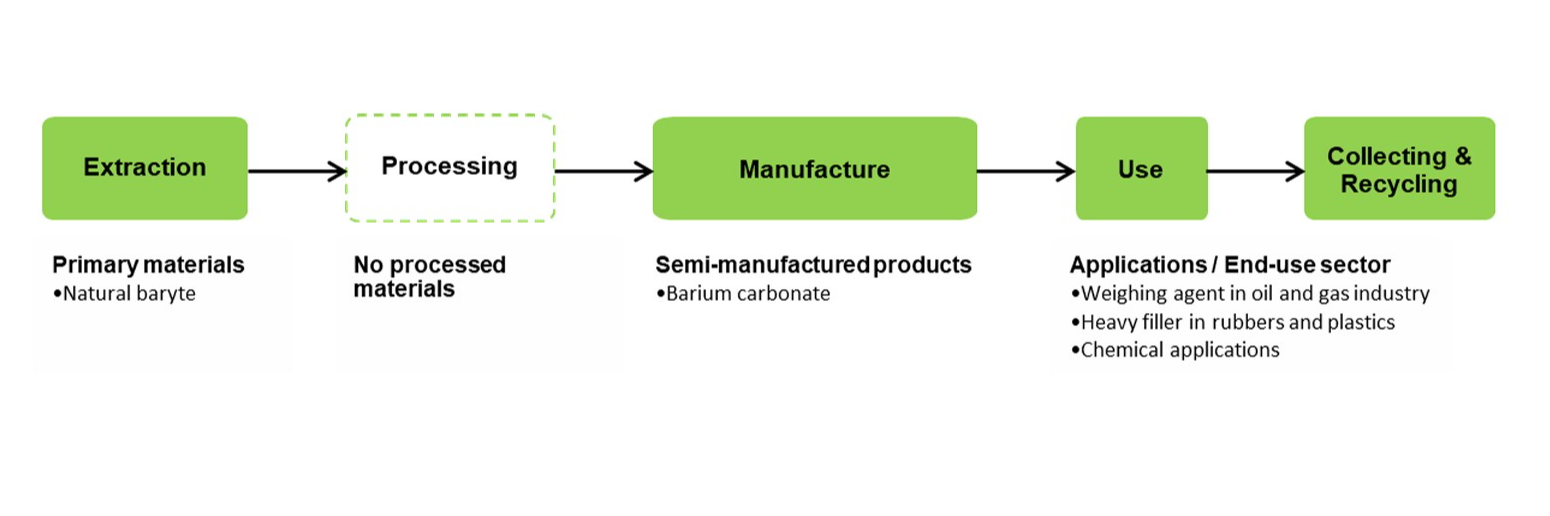
Baryte is an important industrial feedstock for producing several barium chemicals, especially barium carbonate, which is typically manufactured via the carbothermic reduction of barite to barium sulfide (BaS) followed by carbonation with CO2 [Lewis, A.E.,2010]. Industrial-grade BaCO3 is produced at large scale because global demand is strongly driven by the ceramics and electronics sectors, with typical purities ranging from ~97–99.5% BaCO3 depending on application grade. In special glass manufacturing, BaCO3 is added at about 5–15 wt% of glass batch composition, where it improves refractive index (n ≈ 1.52–1.62 depending on formulation), increases X-ray absorption, and enhances optical clarity and chemical durability, making it important for optical glass, CRT glass (historically), and radiation-shielding glass. In high-fire ceramic glazes, BaCO3 is used in concentrations of approximately 2–10 wt%, where it acts as a fluxing and stabilizing agent, promoting the formation of durable barium silicate phases that increase glaze hardness, gloss, and resistance to chemical attack at firing temperatures typically in the range of 1100–1300 °C. In the brick and tile industry, BaCO3 is incorporated (usually 1–5 wt% in glaze or surface coatings) to reduce soluble sulfate formation and improve surface vitrification and weather resistance in architectural ceramics [Shelby, J.E. ,2005]
| Use | Percentage | Substitute | Sub share | Cost | Performance |
|---|---|---|---|---|---|
| Filler in rubbers, plastics, paints & paper | 70% | no substitute | 25% | No substitute | |
| Filler in rubbers, plastics, paints & paper | 70% | Wollastonite | 15% | Slightly higher costs (up to 2 times) | Similar |
| Filler in rubbers, plastics, paints & paper | 70% | Talc | 15% | Slightly higher costs (up to 2 times) | Similar |
| Filler in rubbers, plastics, paints & paper | 70% | Kaolin | 15% | Slightly higher costs (up to 2 times) | Similar |
| Filler in rubbers, plastics, paints & paper | 70% | Calcium carbonate | 15% | Slightly higher costs (up to 2 times) | Similar |
| Filler in rubbers, plastics, paints & paper | 70% | Titanium (ilmenite) | 15% | Similar or lower costs | Similar |
| Weighting agent in oil and gas well drilling fluids or muds | 20% | no substitute | 80% | No substitute | |
| Weighting agent in oil and gas well drilling fluids or muds | 20% | Iron (hematite or iron ore) | 10% | Slightly higher costs (up to 2 times) | Similar |
| Weighting agent in oil and gas well drilling fluids or muds | 20% | Strontium (celestite) | 10% | Slightly higher costs (up to 2 times) | Similar |
| Chemical industry | 5% | no substitute | 85% | No substitute | |
| Radioactive radiation absorber | 5% | no substitute | 50% | No substitute | |
| Radioactive radiation absorber | 5% | Strontium | 50% | Slightly higher costs (up to 2 times) | Similar |
| Chemical industry | 5% | Feldspars | 15% | Slightly higher costs (up to 2 times) | Similar |
A number of baryte substitutes have been identified for specific applications however can be applied at a limited extented (Table 6). In filler applications for rubbers, plastics, paints, and paper, which collectively account for approximately 70% of baryte consumption, around 25% of usage is considered non-substitutable due to performance requirements. The remaining share may be partially substituted by alternative materials such as calcium carbonate, titanium minerals (ilmenite), wollastonite, talc, and kaolin, each representing an estimated 15% substitution share. These substitutes generally provide comparable technical performance, although in most cases at moderately higher costs, reaching up to twice the cost of baryte.In oil and gas drilling fluids, representing approximately 20% of total baryte demand, substitution possibilities are significantly more constrained. Approximately 80% of this application segment has no effective substitute, reflecting baryte’s critical role as a high-density weighting agent in drilling muds. Limited substitution is technically feasible using hematite/iron ore (10%) or strontium minerals such as celestite (10%), although these alternatives involve higher costs and may present operational limitations.For chemical industry applications, accounting for roughly 5% of demand, baryte exhibits very low substitutability, with approximately 85% considered non-substitutable. Only a minor proportion may be replaced by materials such as feldspars. Similarly, in radioactive radiation shielding applications (5% of total demand), around 50% of baryte use remains non-substitutable, while the remaining share may be replaced by strontium-based materials at increased cost but with broadly comparable performance characteristics.
Calcium carbonate (CaCO3) and common industrial clays such as kaolin and talc are widely used as low-cost filler substitutes for baryte in applications like paints, plastics, rubber, and paper, but their performance is limited by their significantly lower density and weaker acoustic and barrier properties. Baryte has a typical density of ~4.2–4.5 g/cm³, whereas calcium carbonate has a density of only ~2.7 g/cm³, kaolin about ~2.6 g/cm³, and talc around ~2.7–2.8 g/cm³. This means baryte provides roughly 50–70% higher mass per unit volume, which directly improves properties such as sound attenuation, vibration damping, and radiation shielding, where mass is a critical factor. In polymer and coating systems, this higher density allows baryte-filled composites to achieve the same functional performance at lower thickness or loading levels, while CaCO3 and clay fillers often require significantly higher loading fractions (sometimes >40–60 wt%) to approach similar bulk properties, which can negatively affect mechanical strength and viscosity [Harben and Kužvart,1996].
Barite is the dominant weighting agent in oil and gas drilling muds, with a market share exceeding 99% for this application. Potential alternatives include synthetic hematite (Fe2O3), ilmenite (FeTiO3), celestite (SrSO4), and calcium carbonate (CaCO3). Hematite (density ~5.0–5.3 g/cm³) can reduce required solids loading and improve mud rheology but is limited by higher cost and availability. Ilmenite (≈4.5–5.0 g/cm³) is used mainly where locally sourced due to transport cost advantages. Celestite (~3.9–4.0 g/cm³) is less efficient than barite and requires higher volumes for equivalent mud density. Calcium carbonate (~2.7 g/cm³) is restricted to low-pressure wells or as a bridging agent due to its low density [Tehrani et al.,2014]
Common substitutes such as CaO (from CaCO3) and SrO (from SrCO3) cannot fully replace BaO efficiently because they produce glasses with lower density and lower refractive index, and in the case of CaO, also reduced optical performance and chemical durability. Although SrO can partially mimic BaO behavior, it still provides weaker radiation-shielding and optical properties, meaning higher amounts or thicker glass sections are required to achieve similar performance, making complete substitution technically and economically inefficient [Varshneya and Mauro,2019]
Strontium compounds cannot efficiently replace baryte because their lower atomic number directly reduces photon interaction probability, resulting in lower attenuation per unit thickness and impractically thicker shielding requirements for equivalent protection [Knoll, G.F.,2015]
Supply
About 105 kt of baryte concentrate were annually produced in EU in the period 2016-2020. Only three EU countries are producers of baryte: Bulgaria, Germany and Slovakia. The production in Slovakia was interrupted after 2018. The imported average annual amount of baryte in the same period was 420 kt mainly by China and Morocco. EU exported annually about 118 kt mainly to Norway and United Kingdom.
China and Morocco, the two main suppliers of the EU for Barytes, have imposed export taxes less than 25%. Several EU trade free agreements are in place with other suppliers such as Turkey, Norway and Tunisia. The consumption of barytes fluctuates from year to year as it is principally dependent on the amount of exploration drilling for oil and gas, which depends on oil and gas prices.
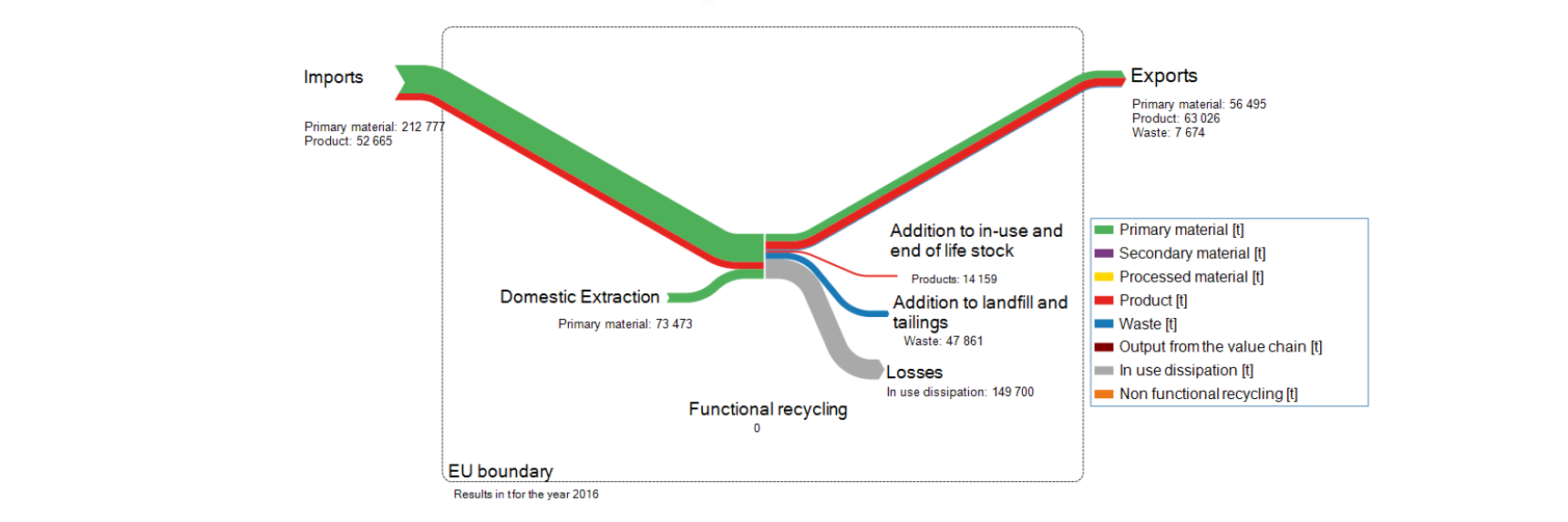
The simplified Material System Analysis [Matos et al. ,2021] diagram illustrates the flow of baryte within the EU market in 2016 and highlights the region’s strong dependence on imports. Total imports amounted to approximately 212,777 t of primary material and 52,665 t of products, significantly exceeding domestic extraction, which contributed only around 73,473 t of primary material. Exports were comparatively lower, reaching about 56,495 t of primary material, 63,026 t of products, and 7,674 t of waste, indicating that the EU remained a net importer of baryte.The flow analysis further shows that only a limited share of baryte entered long-term in-use stock, with approximately 14,159 t added to products and end-use applications. A substantial proportion was directed to landfill and tailings, totaling around 47,861 t of waste, while the largest flow corresponded to dissipative losses during use, estimated at approximately 149,700 t. Notably, the diagram indicates zero functional recycling, suggesting that baryte recovery and circularity within the EU value chain remain extremely limited.
Baryte occurs primarily in sedimentary bedded deposits, hydrothermal vein systems, and residual/cavity-fill deposits, with bedded sedimentary types accounting for the largest share of global production. In sedimentary settings, baryte is formed through chemical precipitation from barium-rich fluids in marine basins, typically occurring as massive, fine- to medium-grained layers interbedded with shales, limestones, or sandstones. Hydrothermal vein deposits form when barium-bearing fluids precipitate baryte in fractures, often alongside sulfides such as galena and sphalerite, while residual deposits develop through weathering and concentration of baryte in near-surface environments. Mining is typically conducted through open-pit methods for shallow bedded deposits and underground mining for deeper vein-type ore bodies. Open-pit operations dominate globally due to the relatively shallow and laterally extensive nature of most economically viable deposits. Ore is extracted using drilling and blasting (where competent rock is present), followed by hauling to processing facilities. Underground mining, where used, typically involves room-and-pillar or cut-and-fill methods depending on vein geometry. After extraction, run-of-mine material undergoes comminution (crushing and grinding) and gravity separation techniques such as jigging, dense media separation, and spirals, sometimes combined with flotation for fine particles, to remove associated gangue minerals like quartz, calcite, and clays.
While looking at the general supply from primary materials, it is important to emphasize that one should distinguish between geological baryte, run-of-mine ore, a first marketable product, ground or micronised baryte, drilling-grade material and high-purity/brightness specialty products.
The 2021 EU Material System Analysis statistics refer to the first marketable baryte product, choosing a simplified single-stage value chain because most baryte is sold after relatively limited processing. That statistical simplification is understandable, but it should not be mistaken for technical equivalence [Matos et al.,2021]
For criticality and resilience, the relevant quantity must not be resumed in tonnes extracted. A deposit dominated by clean, high-density baryte that can meet a defined specification after simple crushing and gravity separation is not equivalent to a quartz-rich, carbonate-rich, iron-bearing or finely intergrown ore requiring complex grinding, flotation, impurity removal and water/reagent management. Both may be recorded as “baryte resources”, yet their ability to become competitive European supply can be radically different.
Gravity separation is the main concentration method, producing typical grades of ~80–95% BaSO4, while froth flotation is used for finer or more complex ores to achieve higher purity levels of ~95–98%. Additional cleaning steps such as magnetic separation or acid leaching may be applied to improve product quality. The final concentrate is then ground or micronised to meet specifications for applications in drilling fluids, chemical production, and fillers for paints, plastics, and rubber. The processed product is then upgraded to industrial or API-grade baryte, requiring a specific gravity of approximately 4.1–4.2, depending on end use. Beneficiation efficiency is critical, as typical operations require around 1.2–1.5 tonnes of crude ore per tonne of saleable concentrate [pubs.usgs (barite),2017].
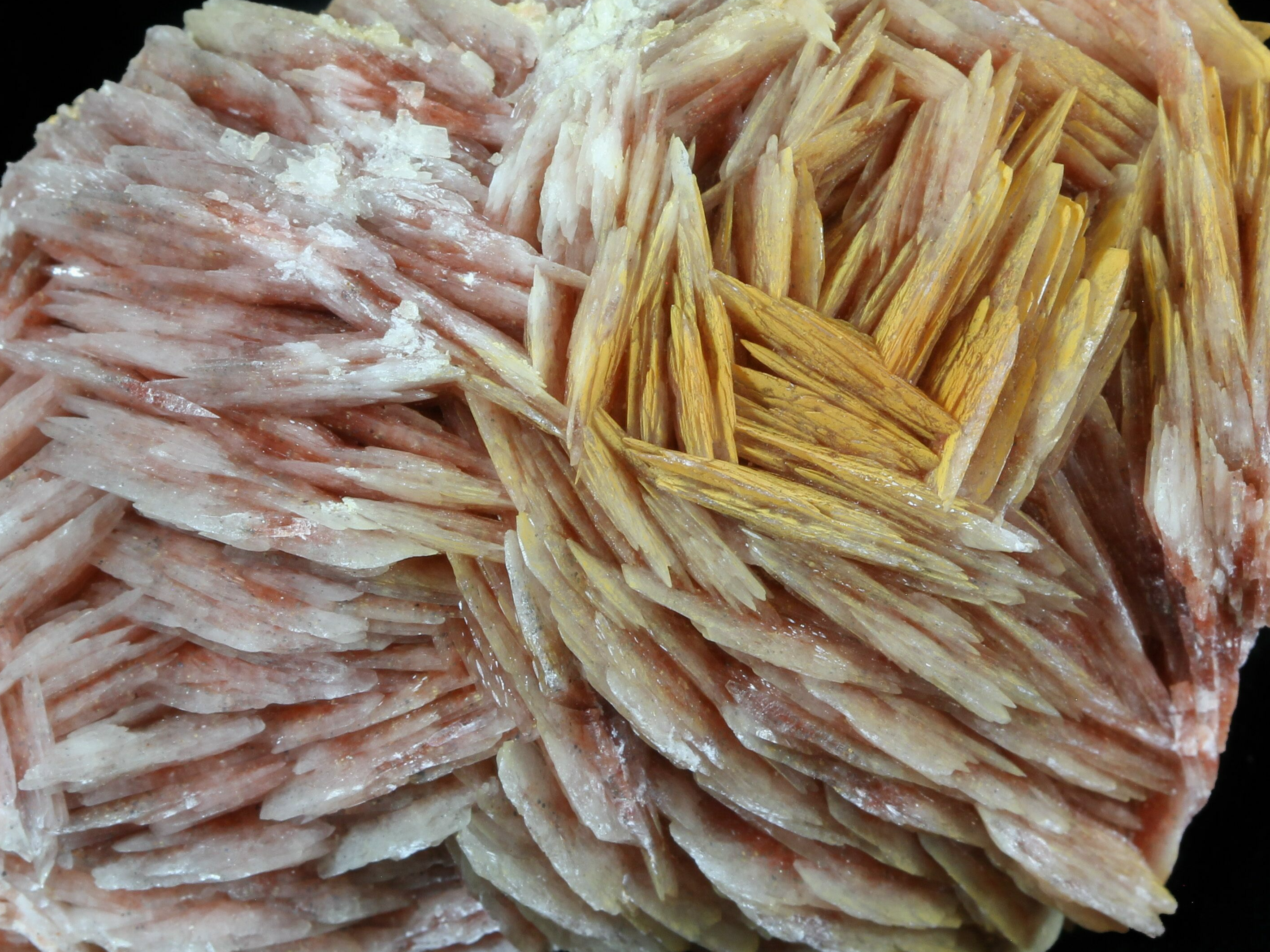
Baryte is an unusually heavy non-metallic mineral typically found as clustered tabular crystals or white, bladed masses in veins, residual deposits, or stratiform beds. Baryte is a widespread mineral in deep-sea sediments, varying between 1 and 10 wt% on a carbonate-free basis. It is the predominant barium phase in the ocean. BaSO4 is known to compose a solid solution series with SrSO4 as celestobaryte in the skeletal portions of some marine organisms and is often found in association with marine organic matter, such as in suspended particles and fecal pellets. Baryte is also a well-known gangue mineral in hydrothermal deposits on land and has more recently been found as a principal component of moderate-temperature hydrothermal chimneys on mid-ocean ridges and volcanically active seamounts. Early work on the distribution of marine baryte in deep-sea sediments had difficulty distinguishing the relative importance of hydrothermal sources from continental weathering as cycled through the marine biosphere. Distribution of marine baryte in Pacific deep-sea sediments shows both an association with the equatorial high productivity zone and the East Pacific Rise–Bauer Basin areas that are heavily influenced by metalliferous hydrothermal deposition. The key question is how much of the relatively dispersed, fine-grained (usually<2 μm) marine baryte particles in deep-sea sediments result from hydrothermal plume fallout and bottom current redistribution of ridge-crest metalliferous sediments versus those carried to the seafloor in the particle rain from surface productivity [Paytan and Griffith,2007] [Deer et al. ,2013].
| Country | Resources (tonnes) |
|---|
USGS 2026 estimates world baryte resources in all categories at about 2 billion tonnes, of which roughly 740 million tonnes are identified resources [USGS (barite),2026] .
The policy-relevant reserve is quality-adjusted and location-adjusted. It depends on density, mineral impurities, beneficiation response, mineability, infrastructure, freight and access to grinding/qualification capacity. For a relatively low unit-value bulk industrial mineral, transport can be decisive. USGS notes, for example, that ocean freight can make imported baryte competitive with domestic material over long inland transport distances. One should therefore avoid interpreting large global resource figures as automatic protection against supply disruption or price shocks. Let's recall that baryte reserve estimates are specification-sensitive and large geological resources do not imply equivalent availability of high-density or specialty-grade material.
| Country | Resources (million tonnes) |
|---|---|
| China | 120 |
| Iran | 100 |
| Kazakhstan | 85 |
| India | 51 |
| Turkey | 34 |
| Russia | 12 |
The countries with major baryte reserves are presented in Table 8 [USGS (barite),2026].
| Country | Classification | Quantity (Mt of ore) | Grade (% Barytes) | Reporting code | Reporting date | Deposit, Source | ||
|---|---|---|---|---|---|---|---|---|
| Spain | 9.9 | |||||||
| France | 8.8 | |||||||
| Poland | 6.6 | |||||||
| Italy | 3.5 | |||||||
| Slovakia | 3.4 | |||||||
| Ireland | 1.6 | |||||||
| Czech Republic | 0.57 |
Rough resources data exist in Minerals4EU database and represent reported national resources/reserve-like estimates (not harmonised JORC reserves) [Minerals4EU,2019].
EU assessments identify occurrences or resources across Belgium, Bulgaria, Croatia, Czechia, France, Germany, Ireland, Italy, Poland, Portugal, Romania, Spain and Sweden; the 2020 factsheet cited a proved reserve of 112,000 t at Serras da Mina in Portugal while noting major data gaps elsewhere.
Current RMIS identifies Bulgaria as the top EU primary producer in 2022 and reports 8.278 Mt of global primary baryte production for that year [European Commission RMIS,2023], yet, it may not all fit the grade required by a particular European customer.
| Country | Classification | Quantity (Mt of ore) | Grade (% Barytes) | Reporting code | Reporting date | Source | ||
|---|---|---|---|---|---|---|---|---|
| No data available |
There is no complete harmonised EU-wide dataset of baryte reserves by country, because most European figures are historic estimates, inconsistent classifications, or resource-only (not economically proven reserves). The most reliable compiled dataset comes from EU Minerals4EU, which reports resources rather than strict reserves for most countries (Table 9).
The term "primary Baryte" refers to the first marketable product, which includes crude Baryte (run of mine) and the products of simple beneficiation methods, such as washing, jigging, heavy media separation, tabling, flotation. Most crude Baryte requires some upgrading to minimum purity or density. Baryte that is used as an aggregate in a "heavy" cement is crushed and screened to a uniform size. The two leading producers of baryte are China and India where the largest reserves of the mineral are located. In 2021, China produced 2.8 million metric tons of baryte from mines, making it the largest baryte producer worldwide. India was the second leading baryte producing country that year, with an output of 1.6 million metric tons .
A new mining project in Montenegro, the Kovac baryte deposit, is being developed under a 30-year concession framework to restart production from an estimated resource of approximately 293,000 tonnes of BaSO4, with ore grades ranging from 41% to over 93% BaSO4. The project is designed to supply industrial and drilling markets and reflects the broader European trend toward the development of small, high-grade, selectively mineable baryte deposits, rather than large-scale new greenfield operation [miningsee.eu,2026].
Recycling of baryte (BaSO4) from end-of-life materials is extremely limited, as most applications are dissipative and non-functional, meaning the mineral is dispersed during use and cannot be recovered in a closed loop. According to the European Commission, the end-of-life recycling input rate (EOL-RIR) for baryte is approximately ~1%, indicating that only a very small fraction of secondary baryte re-enters material production systems, mainly as low-grade substitutes rather than true recovery of the original mineral function [Ferro and Bonollo,2019].
| MSA Flow | Value | ||
|---|---|---|---|
In most major applications—such as drilling muds, paints, plastics, rubber, and friction products—baryte is physically embedded or dispersed in matrices, making separation from waste streams economically and technically impractical. As a result, end-of-life materials typically end up in landfill, construction aggregates, or industrial residues rather than being recycled back into baryte production loops. Even when secondary baryte is recovered (e.g. from mining tailings or industrial residues), it is generally used as a filler material in low-value applications such as plastics or radiation-shielding composites, rather than being reprocessed into high-purity industrial baryte.
concentrates. The recovered material is then assessed for reuse in value-added applications such as radiation-shielding composites and industrial fillers [Kinnunen et al.,2024].
Recent research demonstrates recoverable baryte in high-density waste drilling fluids. A 2023 study reported more than 70% barite recovery through improved hydrocyclone classification, while a 2024 flotation study achieved 87.41% recovery at 4.042 g/cm³ density from waste drilling fluid under its tested conditions. Another 2024 study combined washing, microwave/ultrasonic treatment and flotation and reported 81.5% recovery at 4.238 g/cm³, with the recovered material suitable for direct drilling-fluid preparation in that study ([Li et al.,2024]; [ Lv, W. et al.,2023]). They prove that the circularity discussion distinguishes at least three streams: recovery/reuse within drilling-fluid systems; recovery from spent/waste drilling fluids; and reprocessing of mine/beneficiation residues or historical tailings (recoverable secondary streams). The technical, regulatory and economic conditions are different for each.
A recent valorization approach proposes the use of combined physical separation methods (gravity, flotation, and magnetic separation) to upgrade low-grade baryte waste into high-purity BaSO4
Recent studies show that baryte-bearing mining tailings can still contain ~7–25% BaSO4, making them technically suitable for reprocessing. Using combined gravity–magnetic–flotation flowsheets, these residues can be upgraded to >95% BaSO4 concentrates, comparable to primary drilling-grade baryte. In optimized laboratory systems, overall recovery rates from tailings can reach ~85–97% of contained baryte, and feed grades can be upgraded from <10% BaSO4 to >95% BaSO4 after beneficiation stages [Yue et al.,2025].
The 2023 Minerals Engineering review [ Penaloza et al.,2023] concludes that declining ore grade makes baryte processing increasingly challenging and that flotation becomes particularly important where gravity or magnetic separation is insufficient; it also emphasises the difficulty created by semi-soluble gangue minerals such as calcite and fluorite. The practical implication is that there is no universal baryte flowsheet.
Quartz-rich baryte, carbonate-rich baryte, fluorite-baryte assemblages, sulphide-bearing veins and iron-rich material present different liberation, reagent and impurity-control problems. Recent research continues to demonstrate this complexity. A 2025 study [Liu, Y. et al.,2025] investigated selective flotation in a baryte-quartz system using a starch/aluminium-sulfate depressant, while a 2026 study on baryte-specularite-quartz ore [Yue, Y. et al.,2026] achieved a 95.68% BaSO? concentrate through a tailored flotation/depressant system after magnetic and gravity preparation. These are not universal industrial recipes – they are evidence that mineral surface chemistry and gangue assemblage materially control achievable separation. Flowsheet complexity, recovery and environmental burden are deposit-specific.
In many cases baryte is sorted, crushed and ground close to the mine and sold directly, while higher-purity treatment represents smaller volumes [Matos et al.,2021], and statistics on processed barium-mineral forms are not available as a coherent global production dataset [JRC,2022].
For Europe, the ability to grind, micronise, purify, blend and qualify baryte can determine whether domestic or imported ore enters higher-value applications [JRC RMIS,2023].
After mining, baryte (BaSO4) is upgraded through a combination of physical beneficiation processes designed to increase the BaSO4 content from run-of-mine ore to industrial specifications. Typical ores are first crushed and screened, followed by washing and desliming to remove clays and fine silicate particles that negatively affect downstream separation efficiency. Because baryte has a high specific gravity (~4.5 g/cm³), gravity separation is the primary concentration method in most operations, using jigs, shaking tables, and spiral concentrators to produce concentrates commonly in the range of ~80–95% BaSO4, depending on ore texture and gangue content. For finer-grained or more complex ores where gravity separation is insufficient, froth flotation is increasingly applied as a secondary upgrading step, enabling further removal of silicate and carbonate impurities and achieving final concentrate grades often exceeding ~95–98% BaSO4 under optimized conditions. In some flowsheets, additional cleaning steps such as magnetic separation or acid leaching are used to reduce iron-bearing minerals and improve whiteness or chemical purity for high-value applications. Finally, the concentrated baryte is ground or micronised to controlled particle-size distributions, particularly for drilling fluid applications, where rheology and density performance are critical. In conclusion, modern beneficiation flowsheets typically combine gravity and flotation stages to ensure compliance with industrial grades required for drilling (oil and gas), chemical production of barium compounds, and filler applications in paints, plastics, and rubber [ Penaloza et al.,2023] [Yurkevich et al.,2024].
Beneficiation: For quartz-rich deposits, where mineralogy, liberation and impurity levels permit, the resource-efficient objective comprises selective separation into two usable mineral streams: a baryte concentrate and a silica-rich co-product. This must be demonstrated by mineralogical and product-quality testing. Likewise other critical-raw-materials, baryte beneficiation should be evaluated together with full mineral-resource valorisation. The best European circularity outcome is to produce specification-compliant baryte and assess potentially marketable quartz fraction while calling every gangue stream a co-product without a real market and specification is misleading.
Other considerations
Baryte (barium sulfate, BaSO4) is considered non-toxic under normal conditions because it is highly insoluble and is not absorbed in the human body, which is why it is even used medically as an X-ray contrast agent. The main health concern is not chemical toxicity, but rather inhalation of fine dust during mining and processing, which can cause mechanical respiratory irritation with prolonged exposure [cdc.gov (baryte),NA].
Baryte mining and processing typically generate environmental impacts through land disturbance, tailings production, dust emissions, and potential contamination from associated heavy metals. Open-pit extraction can remove large surface areas and produce waste rock and tailings volumes that often exceed the recovered ore, while beneficiation (crushing, grinding, and gravity separation) generates fine tailings slurries that may contain elevated concentrations of associated elements such as Pb, Zn, As, Cd, and Hg, particularly in sulfide-bearing deposits. Studies report that these fine fractions can show metal enrichment factors several times higher than bulk ore, increasing risks if tailings are not properly contained. The main environmental pathways include seepage from tailings storage facilities into groundwater, surface water contamination during storm events or dam failure, and airborne particulate matter from dry tailings and material handling. Although BaSO4 itself is chemically stable and of low solubility, the environmental concern is driven by impurity phases and mobilized trace metals rather than baryte itself [Senouci et al. ,2025] [Afolayan et al.,2025].
Baryte specifications vary depending on the industrial application. For oil and gas drilling fluids, the required specific gravity is typically ≥4.2 g/cm³ (or ≥4.1 g/cm³ for lower-grade material), with BaSO4 content generally above 90–93%, residue above 75 μm below 3 wt.%, and particles below 6 μm below 30 wt.%. Paints, coatings, plastics, and rubber applications usually require higher purity (92–98% BaSO4), high brightness (>90 ISO), low Fe2O3 content, and fine particle sizes (typically D50 = 2–10 μm). Chemical and pharmaceutical applications require even higher purity (>95–98% BaSO4) and strict control of impurities and heavy metals [EN ISO 13500:2008/A1:2010 (baryte),2010] [iadclexicon (baryte),NA].
The baryte market is relatively small. Morocco’s exports account for approximately 0.14% of the country’s total exports, while for all other exporting countries this share remains below 0.1%.
Artisanal and small-scale baryte mining is largely informal, with studies showing that over 90% of operations in some regions (e.g., Nigeria) are artisanal and small-scale, and around 50–75% of miners operate without formal licensing, leading to weak enforcement of safety and labour standards. In surveyed baryte mining communities, more than 50% of miners reported health problems linked to mining conditions, and over 50% had no or minimal use of protective equipment, indicating widespread occupational vulnerability. A significant ethical issue is that miners are predominantly young adults with low education levels, increasing exposure to unsafe practices and reducing access to safety training. Socially, ASM baryte mining supports livelihoods for large populations (part of the broader ASM sector employing ~40 million people globally), but it is also associated with informal labour structures, insecure income, and limited access to healthcare and compensation systems. Environmental justice concerns also arise because local communities often depend on contaminated water sources near mining sites, with studies identifying lead (Pb), barium (Ba), zinc (Zn), copper (Cu), and iron (Fe) contamination in mining water systems, which increases long-term health risks for residents [Afolayan et al.,2021] [Afolayan et al. (b),2021].
A potential, recently examined, application of baryte is its use as low-carbon radiation shielding construction material, especially in geopolymer and self-compacting concretes for hospitals, nuclear facilities, and industrial buildings. Baryte-based concretes can reach densities of ~3160–3400 kg/m³ and improve gamma-ray attenuation by up to ~8–35% depending on mix design, while enabling reduced cement use when incorporated into geopolymer systems, lowering embodied CO2 emissions compared to conventional Portland cement systems [Sylisomchanh et al. ,2026]. Baryte tailings is possible to be applied for the same purpose. Studies show that replacing up to 50% of conventional fillers with baryte tailings can still maintain mechanical performance while improving shielding efficiency and reducing primary raw material demand [Kinnunen et al.,2024].
Baryte has been studied as a feedstock for producing barium sulfide (BaS) and other barium salts, but high-purity products (>90% BaSO4) are usually required. A novel process is proposed to upgrade low-grade baryte ore (~60% BaSO4) by first using gravity separation on a shaking table, which increases the purity of the concentrate to above 95% BaSO4 through optimized operating conditions (wash water flow, stroke length, frequency, and splitter positions). The purified concentrate is then mixed with metallurgical coke and subjected to mechanical activation in a ball mill, which improves reactivity. During subsequent carbothermal reduction under argon, baryte is converted into BaS. Mechanical activation significantly lowers the reduction temperature from about 1100 K to 990 K, enabling complete conversion [Santander et al. ,2025].
Technologies can change the conversion boundary between a sub-economic heterogeneous resource and a qualified product. The recent literature points to several levers: i) improved mineralogical characterisation; ii) selective liberation; iii) coarse pre-concentration; iv) gravity/magnetic integration; v) more selective flotation chemistry; vi) biodegradable or lower-impact depressants; vii) water-chemistry control; residue reprocessing; and viii) process intensification for spent drilling fluids [ Penaloza et al.,2023]; [Liu, Y. et al.,2025] [Yue, Y. et al.,2026] [ Lv, W. et al.,2023] .
In conclusion, a useful R&D roadmap on baryte would be staged: (1) ore and gangue fingerprinting; (2) rapid quality prediction; (3) pre-concentration and rejection of barren material before fine grinding; (4) selective separation with reduced reagent/water intensity; (5) product qualification; (6) recovery of valuable associated minerals where real markets exist; and (7) reprocessing of drilling wastes and historical residues. The output metric should be qualified product yield, in addition to laboratory recovery.